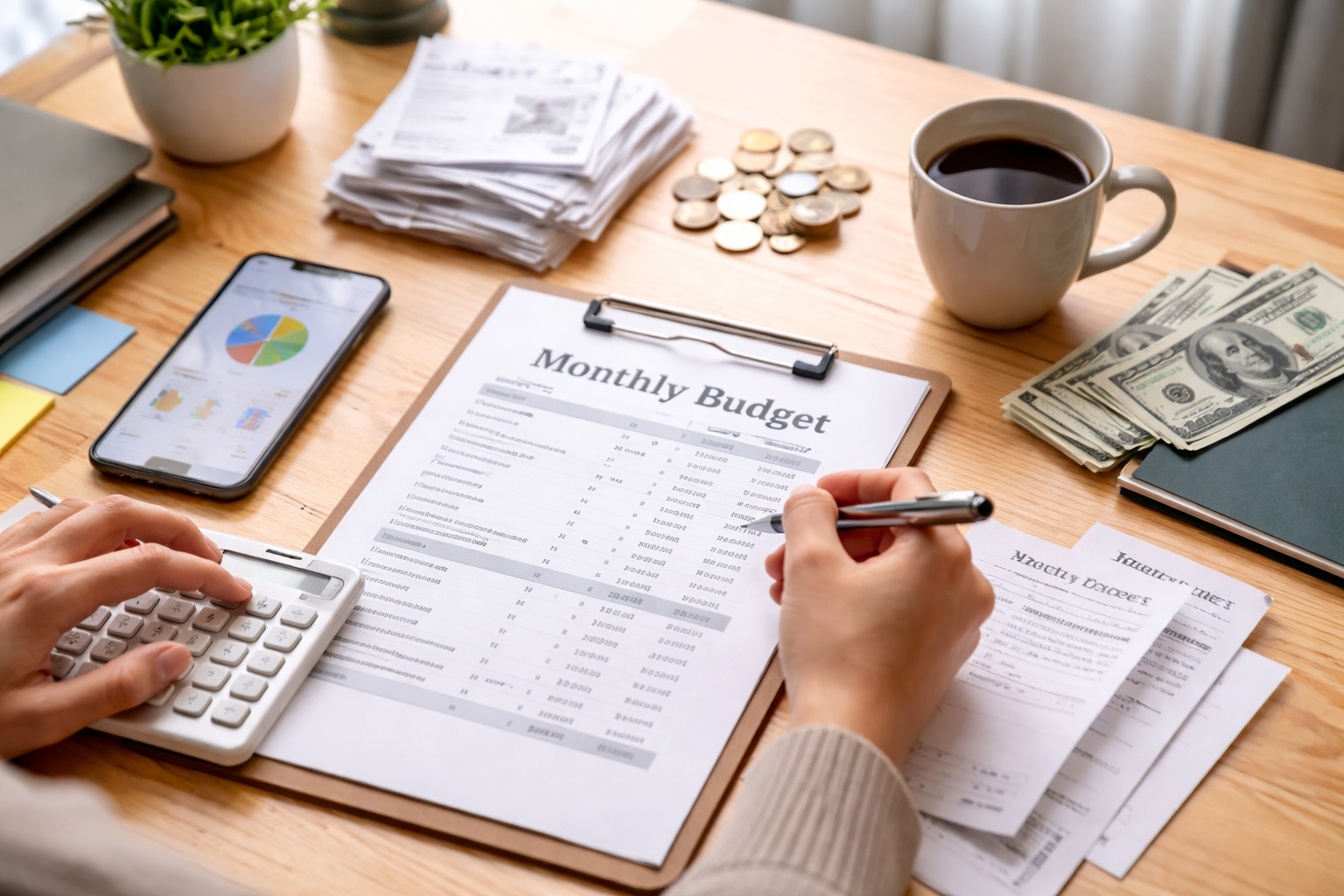
The chaotic dance of modern life often leaves our finances feeling like an untamed beast. Bills arrive, desires beckon, and before we know it, the month has ended, leaving us wondering where all the money went. This is where the art of budgeting comes in – not as a restrictive chore, but as a liberating practice that empowers you to take control of your financial destiny, transforming uncertainty into clarity and anxiety into peace of mind.
Many people view budgeting with a sense of dread, associating it with deprivation or financial scarcity. However, this perception is far from accurate. Budgeting is, fundamentally, a tool for informed decision-making. It’s about consciously allocating your resources to align with your values and aspirations. Imagine embarking on a long journey without a map; you might eventually reach your destination, but it would be a much more arduous and inefficient process. Your budget serves as a map for your financial journey.
Gaining Financial Clarity and Control
Without a budget, your money often feels ephemeral. It comes in, and then it’s gone, a mystery. By engaging in the budgeting process, you gain an unprecedented level of clarity regarding your income and expenses. You identify where every dollar is truly going, uncovering potential financial leaks or areas where you might be overspending without realising it. This awareness is the first crucial step toward regaining control. No longer are you a passive observer of your financial flow; you become the deliberate conductor.
Reducing Financial Stress
One of the most significant benefits of a well-executed budget is the profound reduction in financial stress. Uncertainty breeds anxiety, and for many, the unknown nature of their financial situation is a constant source of worry. A budget demystifies this. When you know exactly how much you have, how much you need for essentials, and how much is available for discretionary spending, you replace apprehension with confidence. The fear of unexpected bills becomes less potent because you’ve proactively accounted for potential contingencies.
Facilitating Goal Achievement
Whether your financial goals involve buying a house, saving for retirement, taking a dream vacation, or simply building an emergency fund, budgeting is the indispensable engine that drives their attainment. Without a clear plan for your money, these aspirations remain distant dreams. A budget helps you carve out dedicated funds for these goals, making them tangible and achievable milestones rather than abstract wishes. It transforms “I wish I could” into “I am actively working towards.”
Before you can build an effective budget, you need a clear and honest picture of your current financial landscape. This assessment phase is crucial because it provides the data points upon which your entire budget will be constructed. It’s like a doctor performing a diagnosis before prescribing treatment; you need to understand the problem before you can solve it.
Calculating Your Total Income
Begin by meticulously adding up all sources of income you reliably receive each month. This includes salaries, wages, freelance payments, rental income, alimony, child support, and any other consistent inflows of money. Be realistic; if an income source is inconsistent, consider only a conservative average or exclude it from your regular monthly income calculations, treating it as an unexpected bonus when it arrives. It’s always better to underestimate income and be pleasantly surprised than to overestimate and fall short.
Listing All Your Expenses
This is often the most revealing part of the assessment. Gather all your bank statements, credit card statements, utility bills, and receipts from the past one to three months. Categorise every single expenditure. Some expenses are fixed, meaning they remain relatively consistent each month, such as rent/mortgage payments, loan repayments (car, student), insurance premiums, and subscriptions. Other expenses are variable, fluctuating from month to month, like groceries, dining out, entertainment, transportation (gas, public transport), and clothing. Don’t forget those less frequent but important expenses like annual memberships or car maintenance; you’ll need to account for these by setting aside a small amount each month. Be scrupulously honest about where your money is going, even if some categories make you wince a little. This self-awareness is empowering.
With a clear understanding of your income and expenses, the next step involves defining what you want your money to achieve. Financial goals provide direction and motivation for your budgeting efforts. Without targets, your budget can feel like a ship adrift.
Defining Short-Term, Mid-Term, and Long-Term Goals
It’s helpful to categorise your goals by their time horizon. Short-term goals are typically achievable within a year, such as building an emergency fund (usually 3-6 months of living expenses), paying off a small credit card balance, or saving for a new appliance. Mid-term goals might span one to five years, including saving for a down payment on a car, a significant vacation, or further education. Long-term goals extend beyond five years and often encompass major life events like a down payment on a house, retirement planning, or funding a child’s education. Articulating these goals specifically and measurably makes them more concrete.
Prioritizing and Quantifying Your Goals
Once you have a list of goals, prioritise them. Which are most important to you right now? Which would have the biggest positive impact on your life? Then, quantify them. “Save for a vacation” becomes “Save $3,000 for a trip to Hawaii by next summer.” “Pay off debt” becomes “Pay off $5,000 credit card debt within 18 months. ” Assigning specific monetary targets and deadlines makes your goals actionable and allows you to integrate them directly into your budget. This clarity helps determine how much you need to allocate monthly to each objective.
Now that you’ve laid the groundwork, it’s time to construct the budget itself. There are various methods, and the key is to choose one that resonates with your personal style and commitment level. The goal is to create a structure that helps you allocate your income across your expenses and savings goals.
Choosing a Budgeting Method
One popular method is the 50/30/20 rule, where 50% of your after-tax income goes to needs (housing, utilities, groceries, transportation), 30% to wants (dining out, entertainment, hobbies), and 20% to savings and debt repayment. Another approach is zero-based budgeting, where every dollar of income is assigned a “job” (expense or saving), ensuring nothing is left unaccounted for. The envelope system is a tactile, cash-based method where you allocate physical cash into envelopes for different spending categories. Digital tools and apps also offer excellent solutions for tracking and managing your budget electronically. Experiment to find what works best for your personality and financial situation.
Allocating Income to Categories
With your chosen method, begin assigning your income to your identified expense categories and savings goals. Start with your fixed expenses, as these are non-negotiable. Then, move to your needs-based variable expenses, applying realistic estimates based on your assessment. Next, allocate funds towards your savings goals, treating these contributions as non-negotiable “expenses” that you pay yourself first. Finally, distribute the remaining funds to your discretionary “wants” categories. If you find you have more expenses than income, you’ll need to revisit your variable expenses and identify areas to cut back. If you have surplus income, congratulations! Decide whether to increase savings, pay down debt faster, or allocate more to discretionary spending.
A budget is not a static document; it’s a living, breathing financial plan that requires ongoing attention and flexibility. Creating it is only half the battle; tracking your spending and being open to adjustments are equally vital for its long-term success.
Monitoring Your Spending Regularly
You must regularly compare your actual spending against your budgeted amounts. This can be done weekly or biweekly, depending on your preference. If you’re using a digital app, it often automates this process by linking to your bank accounts. For manual budgeting, conscientiously record every expense. This step is crucial for identifying discrepancies early on. Did you spend more on groceries than anticipated? Less on entertainment? Knowing these variations allows you to make timely corrections.
Making Necessary Adjustments
Life is unpredictable, and your budget needs to adapt to it. You might face an unexpected car repair, a sudden increase in utility costs, or a change in income. When these events occur, don’t abandon your budget in frustration. Instead, view it as an opportunity to adjust. If one category goes over budget, find another category where you can cut back by an equal amount to balance things out for the rest of the month. Periodically, at least once a quarter, review your entire budget to ensure it still aligns with your current income, expenses, and financial goals. Your goals might evolve, your income might change, or new unavoidable expenses might arise. Treat your budget as a flexible blueprint, not a rigid constraint.
Even with the best intentions, maintaining a budget can be challenging. It requires discipline, consistency, and a certain degree of self-awareness. However, incorporating a few practical strategies can significantly improve your chances of success.
Automating Savings and Bill Payments
One of the most effective ways to ensure you stick to your budget, particularly your savings goals, is to automate them. Set up automatic transfers from your checking account to your savings or investment accounts on payday. Similarly, automate bill payments for all your fixed expenses. This “set it and forget it” approach reduces the temptation to spend money before it even reaches your primary checking account and ensures your financial obligations are met consistently.
Building an Emergency Fund
As mentioned earlier, an emergency fund is a cornerstone of financial stability. It acts as a buffer against unexpected expenses like job loss, medical emergencies, or significant home/car repairs. Without an emergency fund, these unforeseen events can derail your budget entirely, forcing you into debt. By consistently contributing to this fund, you create a safety net that protects your budget and your peace of mind. Aim for at least three to six months’ worth of essential living expenses.
Practicing Mindful Spending
Budgeting isn’t just about numbers; it’s also about a shift in mindset. Before making a purchase, especially for discretionary items, pause and ask yourself, “Do I truly need this? Does this align with my financial goals? Have I budgeted for this?” This mindful approach helps curb impulse spending and promotes more intentional financial decisions. Distinguish between needs and wants. Sometimes, delaying a purchase for a day or two can help you decide if it’s truly worth the money.
Embracing the art of budgeting offers a wealth of rewards that extend far beyond simply managing money. It’s a journey towards greater financial freedom and overall well-being.
Achieving Financial Freedom
Ultimately, the goal of budgeting is not to restrict your life but to free it. By understanding and controlling your money, you unlock the ability to make choices that genuinely serve your best interests. Financial freedom isn’t necessarily about being rich; it’s about having options, the ability to pursue opportunities, and the power to live life on your terms without constant financial stress hanging over you. A well-executed budget is the roadmap to this freedom.
Reduced Debt and Increased Savings
One of the most direct and tangible benefits of budgeting is the impact on your debt levels and savings. By meticulously tracking expenses and prioritising debt repayment within your budget, you will systematically reduce what you owe. Simultaneously, by consistently allocating funds to savings, your financial reserves steadily increase, offering security and creating opportunities for the future. These two outcomes work in tandem to improve your net worth and financial health dramatically.
Greater Peace of Mind and Security
When your finances are in order, a profound sense of peace and security permeates other areas of your life. The constant worry about bills, the fear of unexpected expenses, and the anxiety of living from pay cheque to pay cheque begin to dissipate. You gain confidence in your ability to handle financial challenges and a sense of empowerment over your future. This mental liberation allows you to focus on other aspects of your life, from relationships to personal growth, with greater clarity and less burden. The art of budgeting, therefore, is not merely about managing money; it’s about cultivating a more fulfilling and secure life.