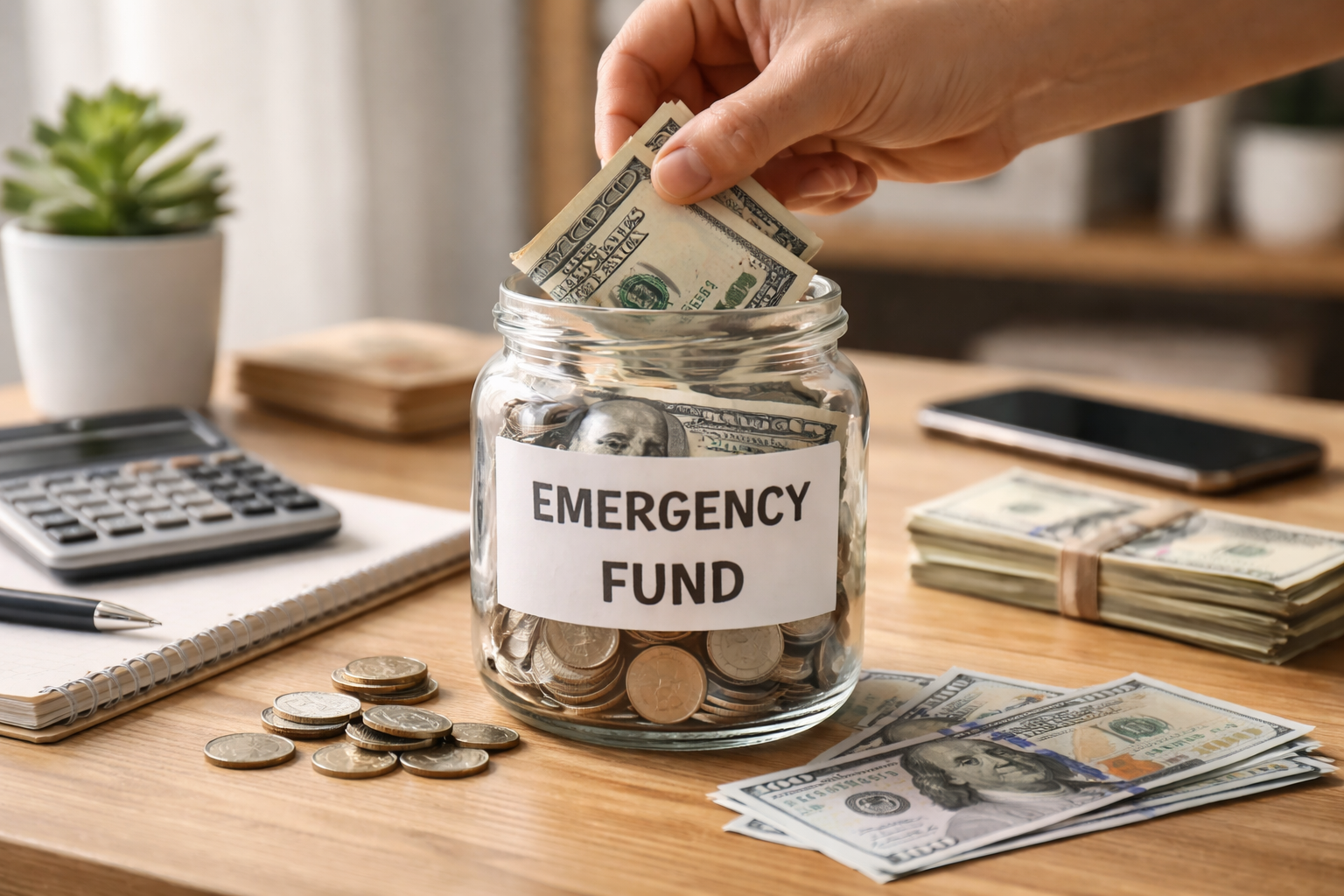
Life is an unpredictable journey, marked by moments of joy and unexpected challenges. While we can plan for many aspects of our futures, there are inevitably unforeseen events that can disrupt even the most carefully laid plans. It is in these moments of uncertainty that an emergency fund becomes an invaluable lifeline, providing a crucial buffer against financial distress. Ignoring the importance of such a fund is akin to navigating a stormy sea without a life raft – a potentially perilous undertaking.
An emergency fund is not simply a savings account; it represents your financial resilience, your ability to weather storms without derailing your long-term financial goals. Its primary purpose is to cover unexpected expenses that can arise without warning, preventing you from incurring high-interest debt or having to liquidate other, more significant investments at an inopportune time. Consider it as your personal financial buffer. Without this safety net, a sudden job loss, a serious medical issue, or a significant home repair can quickly spiral into a financial crisis. This can lead to a cascade of negative consequences, including damaged credit scores, increased stress, and delays in achieving other important life objectives, such as buying a home or saving for retirement.
Understanding the Core Purpose of an Emergency Fund
The foundational premise of an emergency fund is to provide financial security and peace of mind. It serves as a safeguard against the unavoidable challenges in life. When unexpected expenses arise, the temptation to rely on credit cards or loans can be overwhelming. However, these options often come with substantial interest rates, digging you deeper into debt and making it harder to recover financially. An emergency fund allows you to address these situations without resorting to costly borrowing. Beyond mere financial protection, an emergency fund cultivates a sense of control and reduces anxiety. Knowing you have readily available funds to handle a crisis liberates you from the constant worry of what might happen if something goes wrong. People often underestimate this emotional benefit, yet it is crucial for overall well-being. The money within your emergency fund should be easily accessible, signifying its role as a quick-access solution for immediate needs. It is not intended for everyday expenses or discretionary spending but for true, unavoidable emergencies.
Defining What Constitutes an “Emergency”
It’s important to clearly understand what qualifies as a legitimate use of your emergency fund. While the definition can be somewhat personal, generally, it pertains to expenses that are unexpected, essential, and would cause significant hardship if not met. Common examples include:
- Job Loss or Unexpected Reduction in Income: If you find yourself unemployed or your hours are significantly cut, the emergency fund can bridge the gap until you secure new employment or your income stabilises.
- Medical Expenses: Insurance may not fully cover unexpected medical bills, deductibles, or treatments.
- Home or Vehicle Repairs: Essential repairs to your home or vehicle that are critical for safety and daily living, such as a leaky roof or a broken-down car needed for work.
- Unexpected Family Emergencies: This could include costs associated with a sudden illness or death of a close family member.
Conversely, an emergency fund is generally not for:
- Vacations or Leisure Travel: These are discretionary expenses and should be funded through regular savings.
- Upgrades or Non-Essential Purchases: Buying a new gadget or redecorating your home should not be considered an emergency.
- Paying Off Existing Debt (Unless it’s a truly critical situation that would lead to further severe consequences): While reducing debt is important, using your emergency fund to casually pay off a credit card balance isn’t its intended purpose.
Embarking on the journey of building an emergency fund can feel daunting, especially if you’re starting with little to no savings. However, the key is to begin, no matter how small the initial steps may seem. Consistency and a strategic approach are more important than having a large sum to start with. Every dollar saved is a step towards greater financial security.
Setting Realistic Savings Goals for Your Emergency Fund
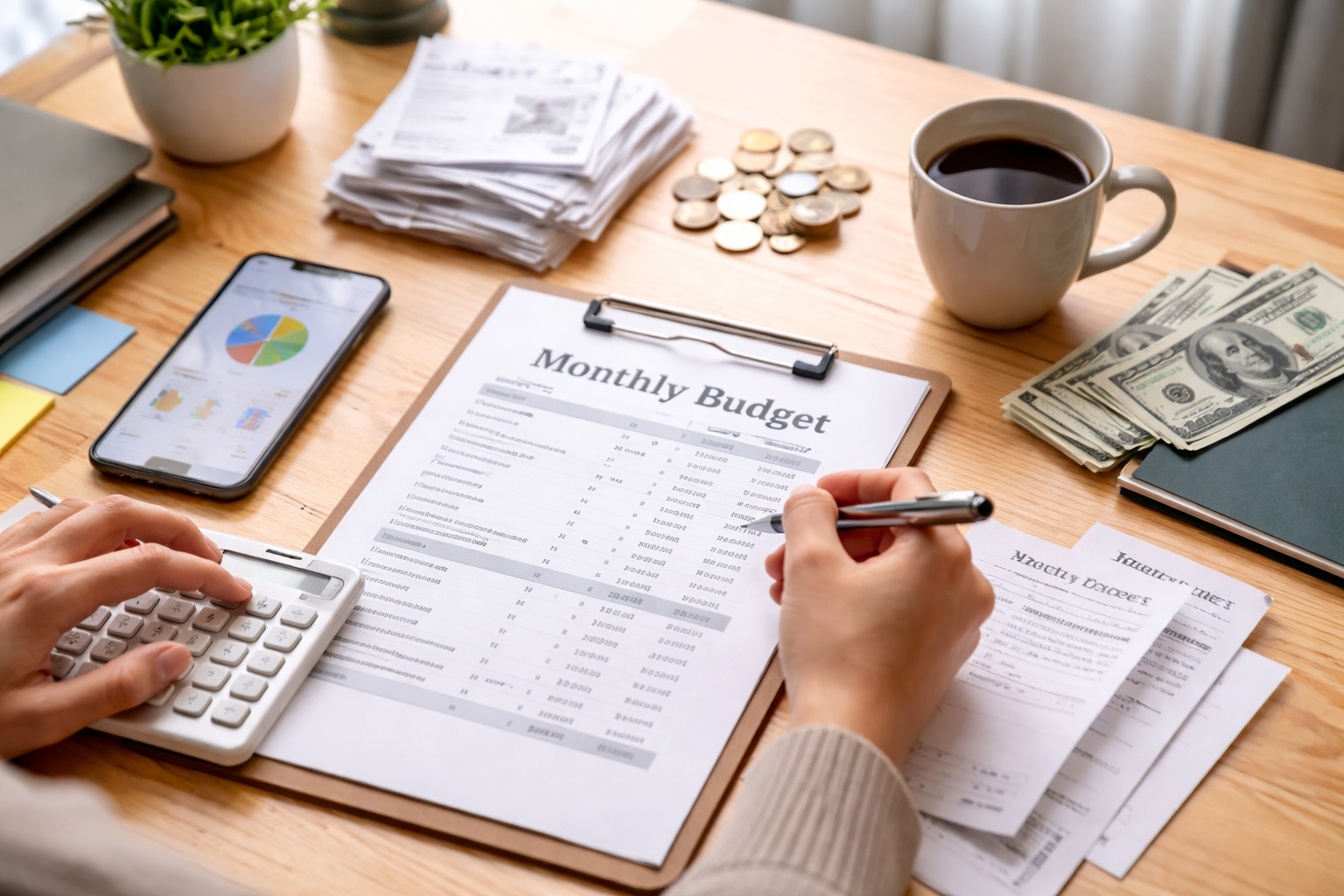
The ultimate goal of an emergency fund is to cover a certain period of your essential living expenses. A commonly recommended target is to save enough to cover three to six months of your essential living expenses. To determine this, you need to meticulously track your monthly spending.
- Calculate Your Essential Monthly Expenses: This includes things like rent or mortgage payments, utilities, groceries, insurance premiums, transportation costs, and minimum debt payments. Be honest and thorough in this calculation. Exclude non-essential items like entertainment, dining out, and subscriptions.
- Determine Your Target Amount: Once you have your monthly essential expense figure, multiply it by three and then by six. This will give you a range for your emergency fund goal. For example, if your essential monthly expenses are $3,000, your goal would be between $9,000 and $18,000.
- Start Small and Adjust: If the full goal seems unattainable initially, don’t be discouraged. Set a smaller, more achievable initial goal. Perhaps aim for your first $500, then $1,000, and so on. As you build momentum, you can reassess and adjust your targets. The most important thing is to establish a tangible objective that motivates you.
Identifying Potential Sources of Funds
To kickstart your emergency fund, you might need to explore various avenues for generating seed money. This requires a proactive approach to identifying opportunities for extra cash.
- Windfalls: Any unexpected financial gains can be a great starting point. This could include tax refunds, bonuses, inheritances, or even gifts. Dedicate a significant portion, if not all, of these windfalls directly to your emergency fund.
- Selling Unused Items: Declutter your home and turn unwanted items into cash. Old electronics, furniture, clothing, or books can be sold online or at garage sales, providing an immediate boost to your savings.
- Extra Income Streams: Consider ways to earn additional income. This might involve taking on freelance work, driving for a ride-sharing service, tutoring, or pursuing a side hustle that aligns with your skills and interests. Aggressively funnel any earnings from these ventures into your emergency fund.
Building an emergency fund is not a one-time event; it’s an ongoing commitment. To ensure steady progress, it’s crucial to develop habits that make saving consistent and almost automatic. This involves integrating savings into your financial routine and making conscious choices to prioritise your emergency fund.
Automate Your Savings
The most effective strategy for consistent contributions is to automate the process. Treat your emergency fund savings as a non-negotiable bill.
- Set Up Automatic Transfers: Schedule automatic transfers from your checking account to your dedicated emergency fund account to occur immediately after you get paid. This “pay yourself first” approach ensures that money is saved before you have a chance to spend it.
- Gradually Increase Contributions: As your income increases or your expenses decrease, make it a habit to increase the amount you automatically transfer to your emergency fund. Small, incremental increases can make a significant difference over time.
Cut Down on Non-Essential Spending
To free up more money for your emergency fund, a critical step is to identify and reduce discretionary spending. This requires a critical look at your budget and a willingness to make sacrifices.
- Track Your Spending Diligently: Use budgeting apps or a simple spreadsheet to understand exactly where your money is going. Identify areas where you can cut back, such as daily coffee runs, impulse purchases, or expensive subscriptions.
- Embrace Frugality: Look for opportunities to save money on everyday expenses. This could involve cooking at home more often, finding free entertainment options, or delaying non-essential purchases until you’ve built a more robust emergency fund.
- Re-evaluate Subscriptions and Memberships: Regularly review all your recurring subscriptions and memberships. Cancel any that you don’t actively use or that don’t provide significant value.
The location of your emergency fund is as important as the amount you save. It needs to be accessible when you need it but also kept separate from your everyday spending money to avoid temptation.
Choosing the Right Account
The primary criteria for an emergency fund account are accessibility and safety. You don’t want to tie up your emergency funds in investments that could lose value or are difficult to liquidate quickly.
- High-Yield Savings Accounts (HYSAs): These are often the best option. HYSAs offer competitive interest rates, allowing your money to grow while remaining readily accessible. They are typically FDIC-insured, providing a layer of security.
- Money Market Accounts: Similar to HYSAs, money market accounts offer reasonable interest rates and easy access to funds. They may come with cheque-writing privileges or debit cards, enhancing convenience.
- Separate Checking Account: While less ideal for earning interest, a separate checking account solely for your emergency fund can also work if accessibility is your absolute top priority and you are disciplined enough to not dip into it for non-emergencies.
Avoid keeping your emergency fund in volatile investments like stocks or even certificates of deposit (CDs) with long-term lock-in periods, as these can fluctuate in value or make it difficult to access your money precisely when an emergency strikes.
The true test of an emergency fund is its ability to protect you during times of need. However, it’s crucial to use it judiciously, understanding that replenishing it is a priority once the emergency has passed.
Recognizing Legitimate Emergency Situations
As previously discussed, your emergency fund is for genuine crises. It’s not a slush fund for occasional splurges or minor inconveniences.
- Confirm the Urgency: Before touching your emergency fund, pause and ask yourself if this expense is truly unavoidable and would cause significant hardship if not covered. Is there another way to manage the cost, even if it’s less convenient?
- Document the Expense: It can be helpful to briefly note down the reason for using your emergency fund and the amount withdrawn. This can aid in tracking and subsequent replenishment efforts.
Replenishing Your Emergency Fund After Use
Once you’ve had to dip into your emergency savings, the work isn’t over. The immediate priority after navigating the emergency itself should be to rebuild that financial buffer.
- Prioritise Replenishment: Make rebuilding your emergency fund a top financial priority. Adjust your budget, cut back on non-essential spending, and perhaps even consider temporary extra work to accelerate the replenishment process.
- Continue Regular Contributions: Even as you replenish, don’t stop your regular, automated contributions. This will help you regain your target savings much faster. The goal is to get back to a point where you feel secure again, and consistent saving is the path to achieving that.
An emergency fund is not just a financial tool; it’s a cornerstone of financial well-being. By understanding its purpose, starting with realistic goals, contributing consistently, storing it wisely, and using it with prudence, you equip yourself with the resilience needed to navigate life’s inevitable uncertainties with greater confidence and peace of mind. It represents an investment in your future self, a testament to your foresight, and a powerful statement of your commitment to financial stability.