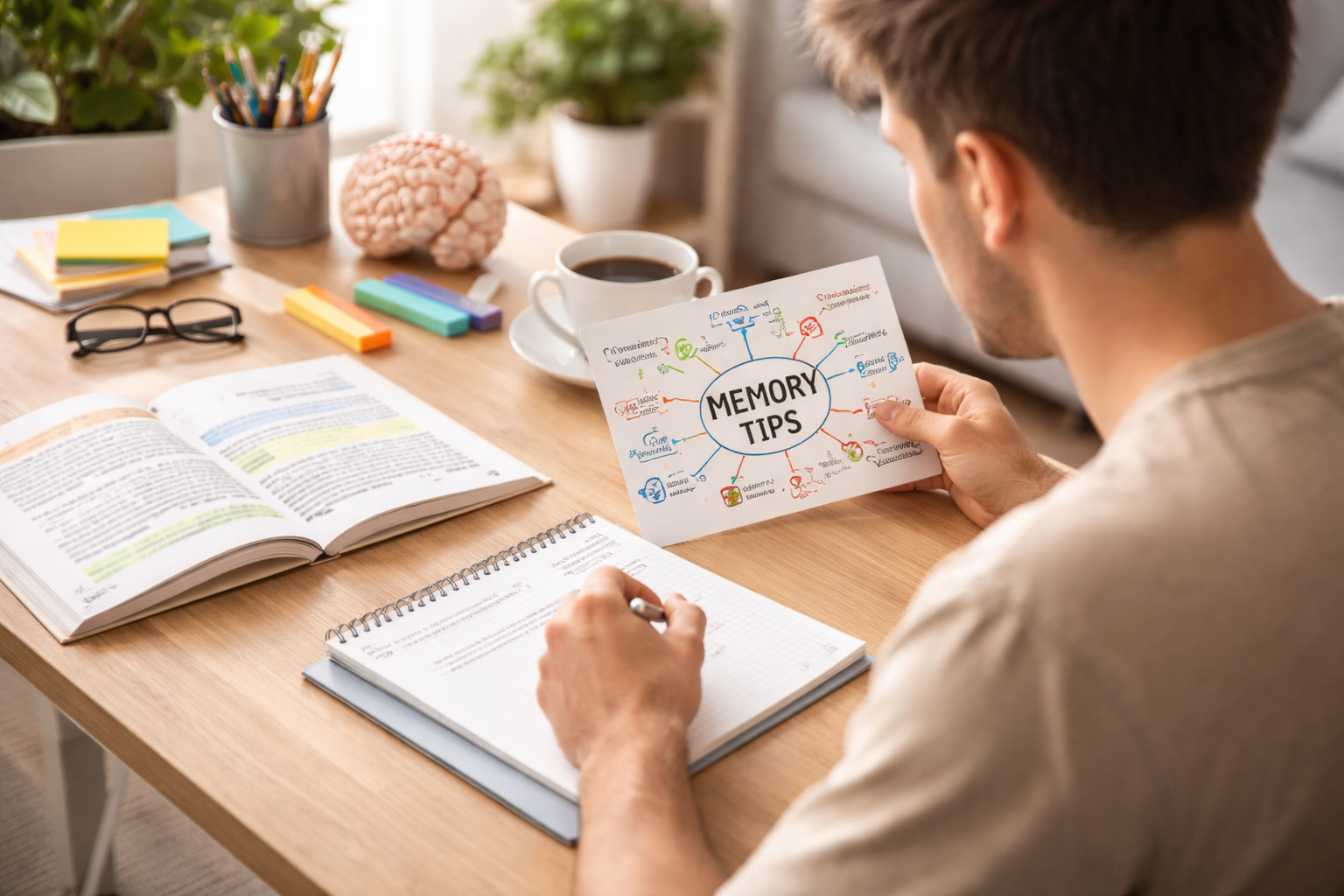
The weight of board exams can feel immense, leaving a long-lasting mark on the academic journey of countless students. These major events are not just tests of knowledge; they are often gateways to higher education, career opportunities, and the realization of future aspirations. Understanding their importance is the first crucial step in approaching them with the right mindset, transforming potential anxiety into focused determination. Board exams serve as a standardized measure, providing a benchmark for individual learning and institutional performance. They evaluate the breadth and depth of curriculum mastery, ensuring that students have acquired the essential foundational knowledge and skills deemed critical for their chosen paths. Beyond just scoring, these exams foster discipline, time management, and analytical thinking, all vital life skills. Recognizing this intrinsic value can shift the perspective from a daunting hurdle to a valuable learning experience, a chance to consolidate years of hard work and to prove one’s capabilities. This understanding fuels the motivation to engage in rigorous preparation, setting the stage for a successful outcome.
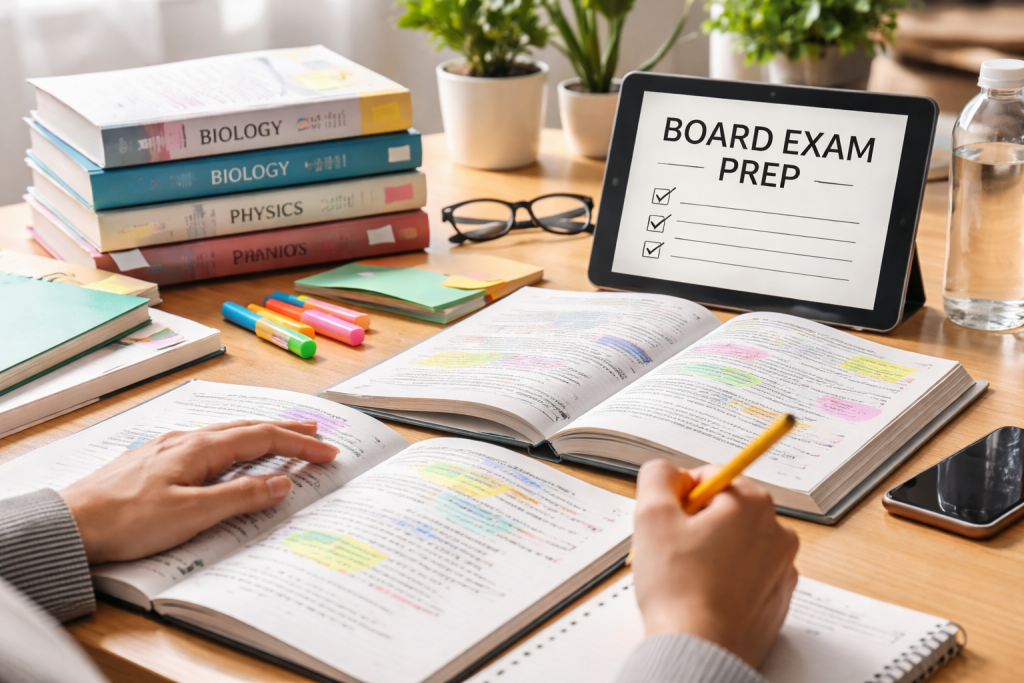
A well-structured study schedule is the bedrock of effective board exam preparation. Without a clear plan, it’s easy to feel overwhelmed by the sheer volume of material, leading to procrastination and inefficient learning. The key is to create a schedule that is not only comprehensive but also realistic and sustainable, tailored to your individual learning style and daily commitments.
Assessing Your Current Standing and Subject Demands
Before diving into scheduling, take an honest assessment of your current understanding in each subject. Identify your strengths and weaknesses. Could you please identify the topics you understand well and those that might need more focus? This self-awareness will allow you to allocate study time more effectively. Consider the weightage and difficulty of each subject as prescribed by the examination board. Subjects with a higher weightage or those you find particularly challenging will necessitate more dedicated study hours.
Blocking Out Your Time Wisely
Once you have a clear picture of your needs, begin to block out your time. This involves not just dictating what to study, but when to study. Consider your peak productivity hours—are you a morning lark or a night owl? Schedule your most demanding subjects during these times. Integrate short, regular breaks to prevent burnout and to allow your brain to process information. Similarly, factor in essential non-academic activities such as meals, exercise, and social interactions. A schedule that is too packed or excludes essential downtime is destined to fail.
Flexibility and Adaptability are Key
A rigid schedule can be counterproductive. Life is unpredictable, and there will be days when you fall behind. Build in some flexibility. Perhaps designate a “catch-up” period each week for when you miss a study session or need to revisit a particularly difficult topic. Regularly review and adjust your schedule as you progress. As you become more familiar with the material, your study needs may change. The goal is a dynamic roadmap, not an immutable decree.
Beyond simply reading textbooks, employing various effective study techniques can significantly enhance your understanding and retention of information for board exams. Different methods cater to different learning styles and stages of comprehension, ensuring that you not only memorize facts but truly internalize them.
Active Recall and Spaced Repetition are a powerful combination for effective studying.
Active recall involves testing yourself on what you’ve learned without looking at your notes. This could be through flashcards, quizzing yourself, or explaining concepts aloud. By forcing your brain to retrieve information, you strengthen the neural pathways associated with that knowledge. Spaced repetition complements active recall by revisiting information at increasingly longer intervals. This prevents the forgetting curve from erasing what you’ve painstakingly learned. Techniques like the Leitner system for flashcards can be incredibly effective here.
The Art of Summarization and Note-Taking
When it comes to note-taking, move beyond simply transcribing. Aim for concise summaries that capture the essence of the material. Techniques like the Cornell Note-Taking System, which divides your page into distinct sections for notes, cues, and summaries, can transform passive note-taking into an active learning process. Summarizing after reading a chapter or attending a lecture helps you synthesize information and identify key takeaways.
Visualizing and Connecting Concepts
Many students benefit from visual aids. Creating mind maps, flowcharts, or diagrams can help you see the relationships between different concepts and understand the bigger picture. These visual representations can be especially useful for subjects with complex interdependencies. Additionally, please consider connecting new information to your existing knowledge. Drawing parallels and analogies can make abstract concepts more concrete and memorable.
Teaching the Material to Others
One of the most potent study techniques is to teach what you’ve learned to someone else, whether it’s a study partner, a family member, or even an imaginary audience. The act of explaining requires you to organize your thoughts, identify gaps in your understanding, and articulate concepts clearly. This process often reveals areas where your comprehension is weak and prompts you to revisit and solidify your knowledge.
The pressure of board exams can inevitably lead to stress and anxiety, which, if left unchecked, can significantly hinder your preparation and performance. Learning to manage these emotions is as crucial as mastering the syllabus. A calm and focused mind is more conducive to learning and recall.
Recognizing and Acknowledging Your Feelings
The first step in managing stress is to acknowledge that it’s a normal part of the process. Don’t push your feelings away or feel guilty about experiencing them. Identify the specific triggers for your anxiety. Is it the fear of failure, the pressure from parents, or the overwhelming amount of material? Understanding the root cause can help you address it more effectively.
Prioritizing Physical Well-being: The Foundation of Mental Fortitude
Your physical health has a direct impact on your mental state. Ensure you are getting adequate sleep, eating nutritious meals, and engaging in regular physical activity. Exercise is a powerful stress reliever, releasing endorphins that can boost your mood and reduce feelings of tension. Even short walks can make a significant difference. Hydration is also key, so keep water readily available.
Cultivating Mindfulness and Relaxation Techniques
Mindfulness practices, such as deep breathing exercises, meditation, or simply focusing on the present moment, can help calm a racing mind. Dedicate a few minutes each day to these techniques. Progressive muscle relaxation can also alleviate physical tension associated with stress by systematically tensing and then releasing different muscle groups.
Maintaining Perspective and Positive Self-Talk
The intensity of exam preparation often leads to a loss of perspective. Remind yourself that these exams, while important, do not define your entire future. Challenge negative thoughts and replace them with positive affirmations. Focus on your efforts and progress, rather than solely on the outcome. Celebrate small victories along the way to maintain a sense of accomplishment.
While learning the material is essential, the ability to apply that knowledge under timed conditions is equally vital for board exam success. Practicing past papers and mock tests provides a realistic simulation of the actual exam environment, allowing you to refine your strategy and identify areas for improvement.
Understanding Exam Patterns and Question Types
Past papers are invaluable for deciphering the exam pattern, including the types of questions asked, their difficulty level, and the distribution of marks across different sections. This knowledge allows you to anticipate what to expect and to focus your preparation on the most frequent or important topics. It helps you understand the examiners’ expectations and the nuances of question phrasing.
Developing Time Management Skills Under Pressure
Board exams are often time-bound, and struggling with time management can lead to incomplete papers and lost marks. Working through past papers and mock tests under timed conditions is the best way to develop this crucial skill. You’ll learn to allocate your time effectively across different sections and questions, ensuring that you attempt as many questions as possible with accuracy. Mock tests help you practice pacing yourself and making strategic decisions about which questions to tackle first.
Identifying Weaknesses and Strengthening Your Knowledge Gaps
The beauty of mock tests lies in their diagnostic power. After attempting a mock paper, meticulously review your answers, both correct and incorrect. Analyze why you made mistakes. Was it a lack of knowledge, a misunderstanding of the question, or a lapse in concentration? This thorough analysis will highlight your weak areas, allowing you to revisit those topics with focused effort before the actual exam.
Building Confidence and Reducing Exam Anxiety
Familiarity breeds confidence. By repeatedly engaging with exam-like conditions, you become more comfortable and less anxious about the actual test. Each successfully completed mock test serves as a confidence booster, reinforcing the belief in your ability to perform well. This reduced anxiety can significantly improve your focus and cognitive function on exam day.
The journey of preparing for board exams doesn’t have to be a solitary one. Actively seeking help and support from teachers and peers can be incredibly beneficial, offering diverse perspectives and reinforcing your understanding.
Leveraging Teacher Expertise for Clarity and Guidance
Your teachers are an invaluable resource. Don’t hesitate to approach them with your doubts and questions, no matter how small they may seem. They possess a deep understanding of the curriculum and the examination process and can offer personalized explanations and guidance. They can also provide insights into common pitfalls and effective study strategies. Attending revision classes and asking clarifying questions during lectures are also crucial.
The Synergy of Peer Learning and Study Groups
Study groups can foster a collaborative learning environment. Discussing concepts with your peers can expose you to different ways of thinking and understanding. Explaining topics to each other reinforces your knowledge, and you can collectively tackle challenging problems. However, ensure your study group remains focused and productive, avoiding excessive socializing. Assigning roles within the group can help maintain structure.
Identifying and Addressing Learning Styles Through Support
Sometimes, a different approach or explanation is needed to grasp a complex topic. If you’re struggling with a particular concept, don’t be afraid to ask for alternative explanations from teachers or peers. A friend might explain it in a way that resonates with your learning style, making it easier to understand. This collaborative approach can be particularly helpful when you feel stuck.
While academic excellence is the goal, sustained success in board exams, and indeed in life, requires more than just hours spent studying. Maintaining a healthy balance between your academic pursuits and other aspects of your life is crucial for long-term well-being and effective learning.
Prioritizing Rest and Recuperation
Adequate sleep is not a luxury; it’s a necessity for cognitive function. During sleep, your brain consolidates memories and processes information. Aim for 7-9 hours of quality sleep each night. Regular breaks throughout your study sessions are also vital to prevent mental fatigue.
The Vital Role of Physical Activity and Recreation
Engaging in physical activities and pursuing hobbies provides a much-needed outlet for stress and offers a mental reset. Whether it’s playing a sport, going for a run, or dedicating time to a creative pursuit, these activities help you de-stress, improve your mood, and boost your overall energy levels. They prevent burnout and contribute to a more balanced perspective.
Nurturing Social Connections and Emotional Support
Strong social connections are important for emotional well-being. Spending time with friends and family can provide much-needed emotional support and reduce feelings of isolation. Sharing your experiences and anxieties with loved ones can offer comfort and perspective. It’s crucial to remember that you are not alone in this journey.
Fueling Your Body and Mind with Nutritious Food
Your diet plays a significant role in your concentration and energy levels. Opt for balanced meals rich in fruits, vegetables, and whole grains. Limit processed foods, excessive sugar, and caffeine, which can lead to energy crashes and affect your focus. Staying hydrated is equally important.
By integrating these five effective preparation techniques—understanding the importance of board exams, creating a study schedule that works for you, utilizing effective study techniques, managing stress and anxiety during exam preparation, practicing past papers and mock tests, seeking help and support from teachers and peers, and maintaining a healthy balance between study and self-care—you can approach your board exams with confidence, clarity, and a significantly higher chance of achieving your academic goals. Remember, preparation is a marathon, not a sprint, and a holistic approach is the key to crossing the finish line successfully.