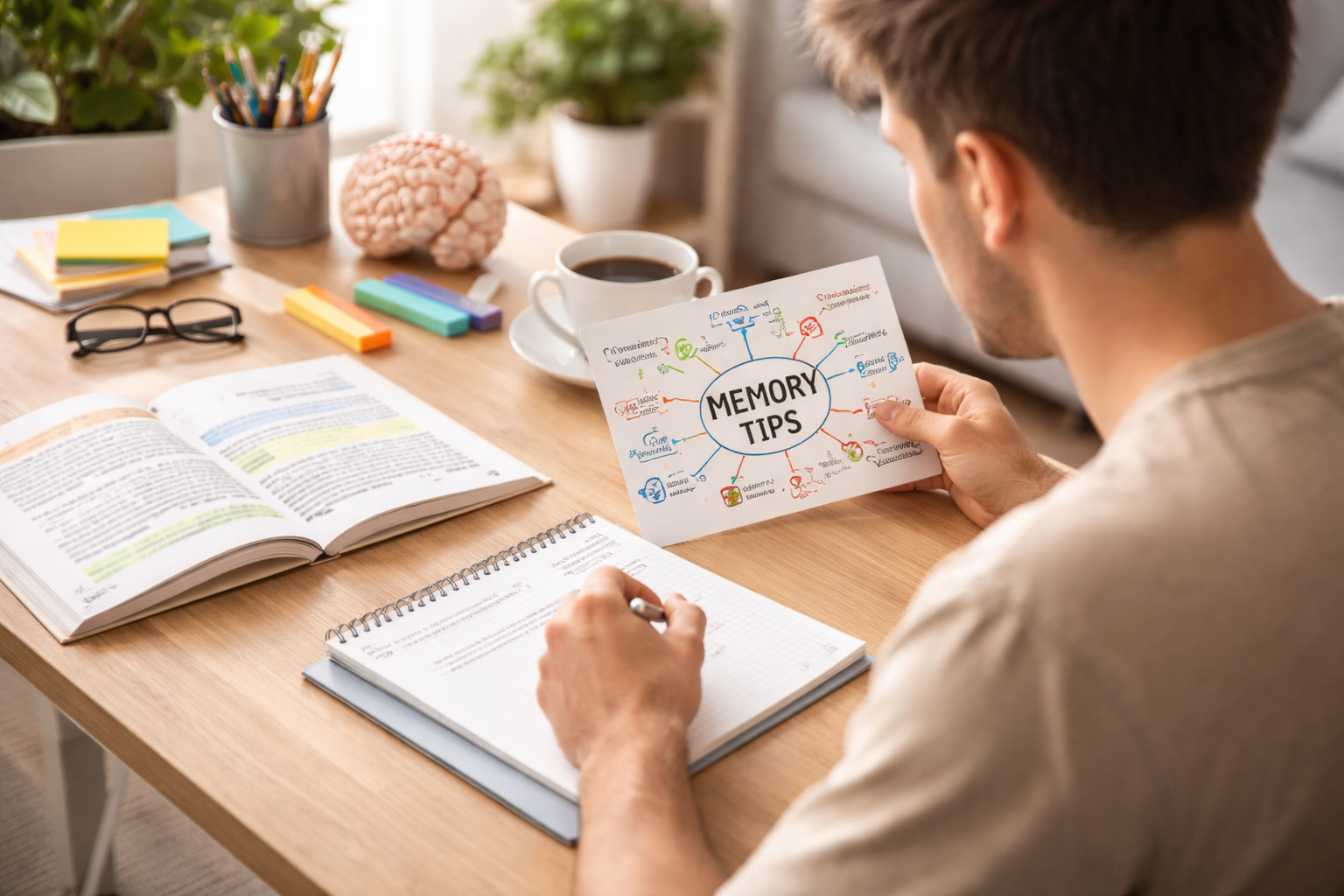
The human brain, a marvel of biological engineering, possesses an incredible capacity for memory. Yet, many of us struggle with recalling information when we need it most, whether it’s for an exam, a presentation, or simply remembering where we left our keys. This guide explores the fascinating world of memory, unraveling its scientific underpinnings and providing actionable strategies to enhance your ability to learn, store, and retrieve information with greater speed and accuracy.
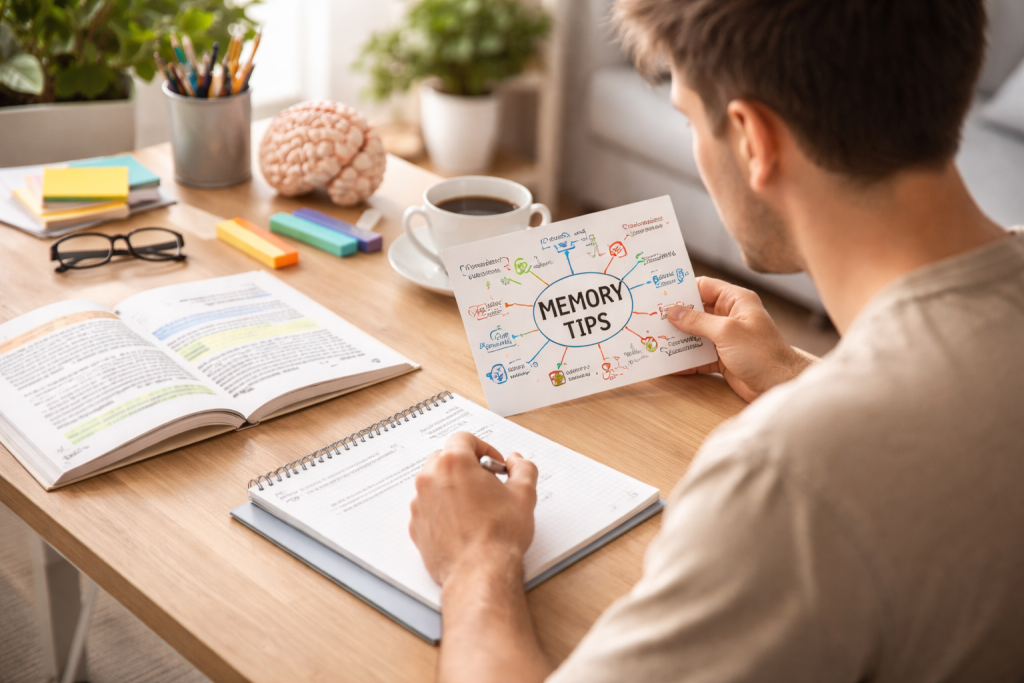
Memory isn’t a single, monolithic entity; rather, it’s a complicated relationship between various cognitive processes. To truly master memory, it’s necessary to understand its fundamental mechanisms.
The Different Stages of Memory
Our brains process information through a series of stages. First, encoding transforms sensory information into a form that can be stored in the brain. This procedure involves attention and perception. Next, storage is the process of maintaining encoded information in memory over time. Finally, retrieval is the process of locating and recovering stored memories. Problems at any of these stages can lead to forgetfulness. For instance, if you didn’t pay attention when someone told you their name, you failed to properly encode it, making retrieval impossible.
Types of Memory
Memory is not a single storage unit but a collection of interconnected systems. Sensory memory holds information briefly from our senses, like the fleeting image after a flash. Short-term memory (also known as working memory) is where we consciously process information, holding a limited amount for a short duration, allowing us to dial a phone number we’ve just heard. Long-term memory, on the other hand, has a vast capacity and can store information for days, months, or even a lifetime. Long-term memory itself can be further divided into explicit (declarative) memory, which includes facts and events we can consciously recall (e.g., historical dates, personal experiences), and implicit (non-declarative) memory, which involves skills and habits learned unconsciously (e.g., riding a bike, tying shoelaces). Understanding these distinctions helps us tailor our memorization techniques to the specific type of information we aim to retain.
Beyond merely understanding how memory works, proactive strategies are essential for strengthening its capabilities. These techniques aim to optimize the encoding, storage, and retrieval processes.
Active Recall and Spaced Repetition
Passive rereading is a common but often ineffective study method. However, active recall significantly transforms the study process. Instead of just rereading your notes, try to actively retrieve information from memory without looking at the material. You can do this by quizzing yourself, writing concepts in your words, or summarizing what you’ve learned. This process strengthens the neural pathways associated with that information. Complementing active recall is spaced repetition, a learning technique that involves reviewing information at increasing intervals over time. Instead of cramming, spaced repetition exploits the “forgetting curve” by presenting information just before you’re about to forget it, reinforcing the memory. Apps and flashcard systems are excellent tools for implementing spaced repetition effectively.
Elaboration and Mnemonics
Making information meaningful is key to better retention. Elaboration involves connecting new information to existing knowledge, creating a richer, more interconnected memory network. Ask yourself “why” and “how,” find analogies, or think about practical applications of what you’re learning. The more connections you forge, the more pathways you create for retrieval. Mnemonics are memory aids that help convert abstract or difficult-to-remember information into a more memorable form. Such strategies can include acronyms (e.g., HOMES for the Great Lakes), acrostics (e.g., “My Very Educated Mother Just Served Us Noodles” for the planets), rhyming, or creating vivid mental images. The more outlandish and imaginative your mnemonic, the more likely you are to remember it.
While we sleep, our brains are far from idle. In fact, sleep plays a critical, perhaps even the most crucial, role in memory consolidation. Ignoring the importance of sleep profoundly hinders memorization efforts.
Stages of Sleep and Their Impact on Memory
Sleep is characterized by distinct stages: REM (Rapid Eye Movement) and non-REM sleep. During non-REM sleep, particularly slow-wave sleep, memories are actively transferred from the hippocampus, a temporary storage area, to the neocortex, where they become more stable and integrated into long-term memory. This process solidifies factual information and new skills. REM sleep, on the other hand, is thought to be vital for emotional memory processing and creative problem-solving, helping to make sense of experiences and integrate them into our existing knowledge base. Disruptions to either of these sleep stages can impair memory consolidation, leaving you with fragmented or poorly retained information.
Optimizing Sleep for Enhanced Memory
To leverage sleep’s memory-boosting power, prioritize getting adequate, quality sleep. Most adults require 7–9 hours per night. Establishing a consistent sleep schedule, creating a relaxing bedtime routine, and ensuring your sleep environment is dark, quiet, and cool can significantly improve sleep quality. Avoiding caffeine and alcohol before bed, as well as limiting screen time, also contributes to a more restorative sleep, directly impacting your ability to recall learned information the following day. A well-rested brain is responsive when it comes to memory.
The “memory palace” or “method of loci” is an ancient but incredibly powerful mnemonic technique that capitalizes on our brain’s natural ability to recall spatial information. It involves associating items you want to remember with specific locations within a familiar mental space.
Building Your Mental Blueprint
The first step in creating a memory palace is to choose a familiar mental space. This could be your childhood home, your current apartment, your daily commute route, or even a fictional place you can vividly imagine. The more detailed and familiar the space, the more effective your memory palace will be. Walk through this space mentally, identifying distinct “loci,” or locations. These could be the front door, a specific piece of furniture, a window, or even a unique tile on the floor. Aim for at least 10-20 distinct loci for a moderately complex list of items.
Populating Your Palace with Vivid Images
Once you have your mental blueprint, associate the information you want to remember with each locus in a memorable and often bizarre way. The more vivid, sensory-rich, and even exaggerated the image, the easier it will be to recall. For instance, if you need to remember a shopping list, imagine a giant bottle of milk overflowing and spilling all over your front door, a loaf of bread sunbathing on your sofa, and a carton of eggs hatching into tiny chickens on your coffee table. When you need to recall the information, mentally “walk through” your memory palace, stopping at each locus to retrieve the associated image and, by extension, the information. This method transforms abstract information into concrete, spatially organized memories that are much easier to access.
While deep understanding and long-term retention are paramount, there are situations where rapid memorization is necessary. These techniques focus on efficiency and immediate recall.
Chunking and Storytelling
Chunking is a useful technique when faced with a lengthy sequence of numbers or unrelated facts. This involves breaking down large pieces of information into smaller, more manageable units. For example, instead of trying to remember “4798215630,” break it into “479-821-5630,” which is much easier to process, resembling a phone number. Similarly, creating a story or narrative around the information, even if it’s nonsensical, can dramatically improve recall. Our brains are hardwired for stories, and linking disparate facts into a cohesive, imaginative narrative makes them stick much better than isolated data points. The more engaging and emotionally charged the story, the more memorable it becomes.
The Power of Association and Visualization
Humans are highly visual creatures, and leveraging this trait is a powerful memorization tool. When trying to remember abstract concepts or words, create a strong mental image that represents that information. For instance, if you’re learning a new vocabulary word, visualize an image that clearly depicts its meaning. Furthermore, associating new information with something familiar or already known creates a hook for retrieval. This is a subtle yet effective form of elaboration, where you actively seek connections rather than just passively receiving information. Imagine the new concept “piggybacking” on an existing, well-established memory.
Our brains, like any other organ, require proper nourishment and physical activity to function optimally, including their capacity for memory. Neglecting these aspects can significantly impair cognitive performance.
Brain-Boosting Foods and Hydration
A balanced diet rich in certain nutrients can significantly enhance memory. Omega-3 fatty acids, found in fish like salmon, flaxseeds, and walnuts, are crucial for brain health and cell membrane integrity. Antioxidants, abundant in berries, dark leafy greens, and dark chocolate, combat oxidative stress, which can damage brain cells. B vitamins, found in whole grains, eggs, and legumes, play a vital role in neurotransmitter production. Furthermore, adequate hydration is paramount; even mild dehydration can lead to cognitive fog and difficulty concentrating, directly impacting memory encoding and retrieval. Think of food as fuel for your brain, and choose wisely.
The Benefits of Physical Activity
Regular physical exercise isn’t just good for your body; it’s a potent memory enhancer. Exercise increases blood flow to the brain, delivering more oxygen and nutrients crucial for optimal function. It also stimulates the production of neurotrophic factors, such as brain-derived neurotrophic factor (BDNF), which promotes the growth of new brain cells and strengthens synaptic connections, literally building a more robust memory network. Even moderate exercise, like a brisk walk, can have measurable benefits on cognitive function and memory recall. Integrating physical activity into your daily routine is a simple yet powerful way to support your memory.
Even with the best techniques, forgetfulness can still plague us, and distractions are an ever-present challenge. Developing strategies to mitigate these issues is crucial for consistent memory performance.
Minimizing Distractions
In our hyper-connected world, distractions are rampant. To truly focus and encode information effectively, it’s essential to minimize external and internal distractions. Create a dedicated study or learning environment free from clutter and noise. Turn off notifications on your phone and computer, close unnecessary tabs, and inform others of your need for uninterrupted time. For internal distractions, practicing mindfulness can help. Learning to observe wandering thoughts without judgment and gently bringing your focus back to the task at hand strengthens your attention muscle, a critical component of effective memory.
Developing Retrieval Cues and Combatting the Forgetting Curve
Sometimes forgetfulness stems from difficulty accessing information, not from a lack of knowledge. Developing retrieval cues can bridge this gap. These are prompts or associations that help you jog your memory. The trigger could be a mental image, a keyword, or even a particular smell or sound. When encoding information, consciously think about potential retrieval cues that might help you later. It’s also crucial to understand the forgetting curve, which illustrates the gradual decline in memory retention without active effort. By proactively employing spaced repetition and active recall, you can flatten this curve and ensure that learned information remains accessible for much longer. Regularly challenging your memory with new information and varied retrieval methods keeps it agile and robust.