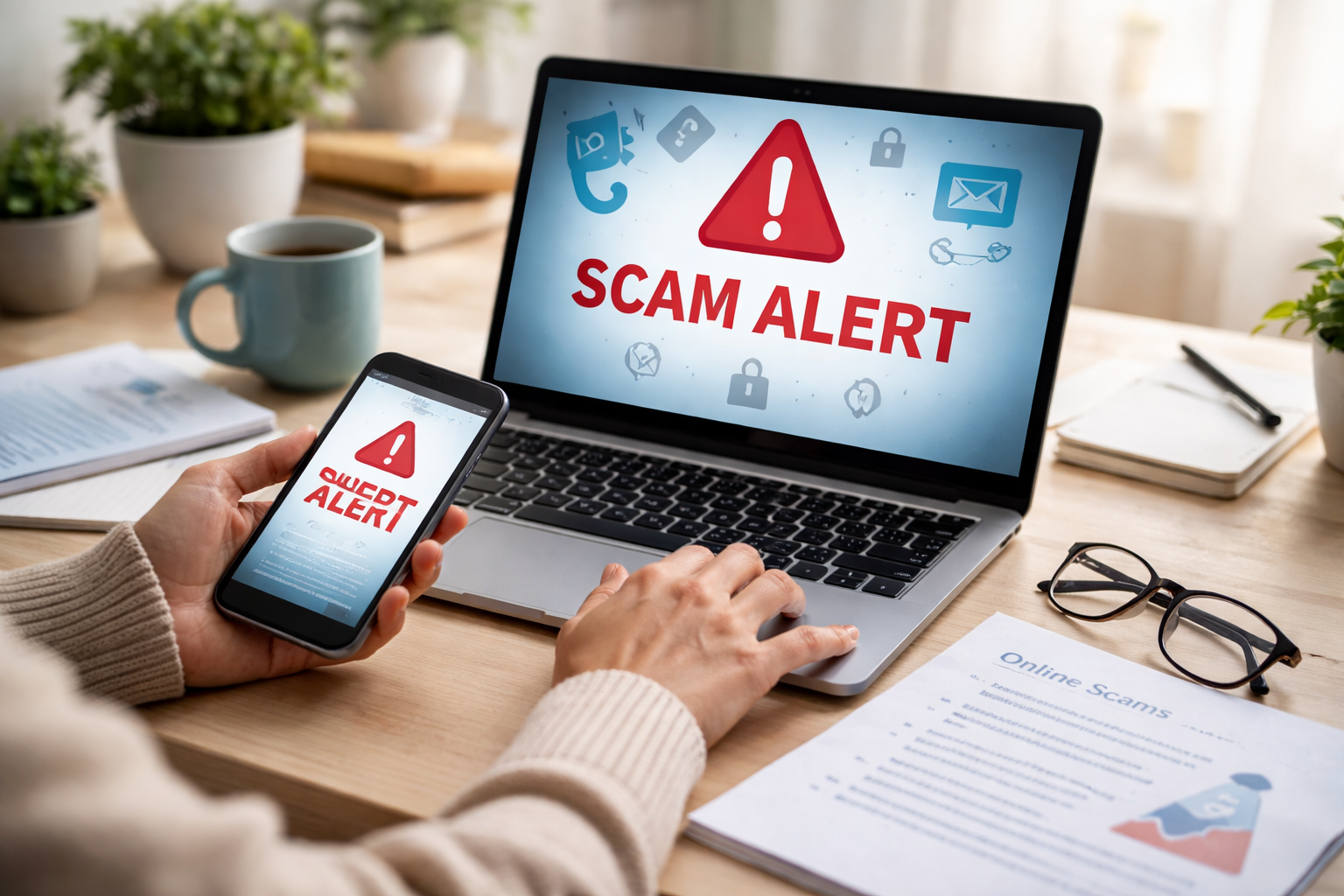
The digital landscape offers unparalleled convenience and connection, but it also presents a breeding ground for malicious actors. As we navigate this increasingly interconnected world, understanding the nuances of online safety is no longer a luxury but a necessity. This comprehensive guide, ‘Online Safety 101’, aims to equip you with the knowledge and strategies to protect yourself from the myriad of threats lurking online. From recognising deceptive practices to fortifying your digital defences, we will delve into the core principles of being a more secure and confident internet user.
The first line of defence against online deception is the ability to recognise a scam for what it is. Scammers are masters of manipulation, employing clever tactics to exploit trust and urgency, often playing on our emotions and desires. Awareness of common scam archetypes is paramount in averting financial loss and personal distress.
The Deceptive Phishing Expedition
Phishing remains one of the most prevalent and insidious forms of online scams. These scams aim to trick you into revealing sensitive information, such as usernames, passwords, credit card details, or social security numbers. Scammers achieve this aim by impersonating trusted entities, like your bank, a popular online retailer, or even government agencies.
Understanding the Tactics of Phishing
Phishing attacks commonly manifest as emails, text messages (smishing), or even phone calls (vishing). These messages often create a sense of urgency, claiming an account has been compromised, a suspicious transaction has occurred, or a prize awaits your claim. They may contain links that, when clicked, lead to fraudulent websites designed to mimic legitimate ones, stealing your login credentials. Alternatively, they might attach malicious files that install malware onto your device. Look out for poor grammar, spelling errors, generic greetings (e.g., “Dear Customer” instead of your name), and requests for personal information in unsecured channels. A legitimate organization usually avoids asking for sensitive data via email or text.
The Alluring “Too Good to Be True” Offer
Many online scams hinge on the allure of unbelievable deals or instant riches. These offers prey on our desire for bargains, windfalls, or easy money. From lottery winnings you never entered to inheritances from unknown relatives, these narratives are designed to entice you into providing upfront fees, personal details, or even banking information.
Spotting the Red Flags of Deceptive Offers
If an offer appears excessively favourable, it usually is. Scammers often employ high-pressure sales tactics, demanding immediate action to capitalise on the seemingly incredible opportunity. They might ask for a processing fee, taxes, or insurance payments before you can claim your prize or purchase the discounted item. Be wary of unsolicited communications offering substantial monetary gains without any discernible effort on your part. Genuine opportunities rarely require advance payment or personal financial details to secure them.
In the digital age, your personal information is a valuable commodity. A breach of this data can lead to identity theft, financial fraud, and reputational damage. Therefore, diligent protection of your personal details is a critical component of online safety.
The Importance of Strong Passwords and Multi-Factor Authentication
Your password serves as the primary security measure for the majority of your online accounts. Weak passwords, such as easily guessed combinations of letters and numbers or personal information, are like leaving your front door unlocked.
Crafting Robust Passwords and Enhancing Security
Developing strong, unique passwords for every online account is a foundational practice. Aim for passwords that are at least 12 characters long, incorporating a mix of uppercase and lowercase letters, numbers, and symbols. Avoid using common words, personal details like birthdays or pet names, and sequential characters. Password managers can be invaluable tools, generating and storing complex passwords for you, so you only need to remember one master password. Furthermore, enable multi-factor authentication (MFA) whenever possible. MFA adds an extra layer of security by requiring a second form of verification, such as a code sent to your phone or a fingerprint scan, in addition to your password. This significantly reduces the risk of unauthorised access, even if your password has been compromised.
Scammers can exploit the information you choose to share online, especially on social media. Oversharing details about your daily routines, travel plans, or even personal milestones can provide criminals with the fodder they need to perpetrate various scams, including identity theft and burglary.
Strategically Controlling Your Digital Footprint
Think carefully before posting personal information online. Limit the visibility of your social media profiles to friends and family. Be cautious about sharing your location in real-time, as it can indicate when your home is empty. Avoid posting sensitive documents like passports or identification cards, even if they appear to be redacted. Ensure you are comfortable with the level of information you are sharing by regularly reviewing your privacy settings on all online platforms.
Financial information is a prime target for online criminals. Protecting your bank account details, credit card numbers, and other sensitive financial data is paramount to preventing monetary loss and fraud.
Vigilance in Online Transactions
Shopping online offers immense convenience, but it also presents opportunities for scammers to intercept your financial details. Scammers often create fake e-commerce websites or exploit vulnerabilities in less secure payment gateways to steal your credit card information.
When making online purchases, ensure the website is secure. Look for “https” in the web address and a padlock icon in your browser’s address bar, indicating an encrypted connection. Stick to reputable and well-known retailers whenever possible. Be wary of unsolicited emails or advertisements offering unbelievable discounts. Use a credit card for online purchases, as credit cards generally offer stronger fraud protection than debit cards. Avoid saving your payment information on websites unless absolutely necessary and you have a high level of trust in the retailer. Regularly monitor your credit cards and bank statements for any unauthorised transactions.
The Dangers of Public Wi-Fi for Financial Activities
Public Wi-Fi networks, while convenient, are often unencrypted and can be exploited by cybercriminals to intercept data transmitted over them. Engaging in financial activities, such as online banking or shopping, on public Wi-Fi is akin to conducting sensitive business in a crowded public square.
Securing Your Connection on the Go
Avoid using public Wi-Fi for sensitive transactions, despite its convenience. If you must use public Wi-Fi, employ a Virtual Private Network (VPN). A VPN encrypts your internet traffic, making it unintelligible to anyone who might be eavesdropping. Turn off automatic Wi-Fi connections on your devices and disable file sharing when connected to public networks. Prioritise using your cell phone’s data connection for financial activities when on the go.
Online identity theft occurs when someone illicitly uses your personal information, such as your name, social security number, or credit card numbers, to commit fraud or other crimes. This can have devastating and long-lasting consequences.
The Subtle Signs of Identity Compromise
Identity theft is not always immediately apparent. Scammers can operate undetected for extended periods, opening new credit accounts, filing fraudulent tax returns, or even committing crimes in your name. Staying vigilant and monitoring your financial and personal data is crucial for early detection.
Proactive Monitoring and Reporting
Regularly review your credit reports from the major credit bureaus. You are entitled to a free credit report annually. Look for any accounts or enquiries you do not recognise. Monitor your bank and credit card statements meticulously for any unusual activity. Be aware of any mail that suddenly stops arriving or unexpected bills for services you have not used. Contact the relevant financial institutions, credit bureaus, and law enforcement immediately if you suspect identity compromise.
The Role of Secure Data Disposal
When you no longer need physical documents containing sensitive personal information, it’s vital to dispose of them securely. Simply discarding them in the trash can make them accessible to identity thieves.
Shredding and Wiping for Digital Security
Invest in a cross-cut shredder for any documents containing personal or financial information. For digital devices, such as old computers or smartphones, perform a thorough data wipe before disposing of them. Simply deleting files is insufficient, as data can often be recovered. Utilise secure erasing software to ensure all sensitive information is permanently removed.
Social media platforms have become integral to modern life, offering avenues for connection and sharing. However, they also present enticing targets for scammers and malicious actors seeking to spread misinformation, engage in social engineering, or steal personal data.
The Perils of Social Engineering on Social Media
Social engineering is the art of manipulating people into performing actions or divulging confidential information. On social media, this often involves building rapport with individuals to gain their trust and then exploiting that trust for nefarious purposes.
Recognizing and Resisting Social Engineering Attempts
Be wary of unsolicited friend requests from strangers, especially those with very few friends or a generic profile picture. If someone you don’t know starts asking overly personal questions or seeking favours, proceed with extreme caution. Scammers may ask to use your account temporarily, claiming to be locked out of theirs. Never share your login credentials or provide verification codes to anyone, even if they claim to be a trusted friend. Be sceptical of links shared by people you don’t know well or who seem out of character for their usual posts.
The Threat of Account Takeovers
Social media account takeovers can have significant repercussions, leading to the spread of scams under your name, the potential for blackmail, or the loss of access to your digital community.
Strengthening Your Social Media Defenses
In addition to using strong, unique passwords and enabling multi-factor authentication on your social media accounts, regularly review the apps and websites that have access to your profiles. Revoke access for any applications you no longer use or trust. Be mindful of what information you make publicly visible in your profile. Consider disabling tagging features or requiring approval for any content you are tagged in. Ensure you regularly review your activity logs to prevent any unauthorised posts or actions from your account.
By understanding these common threats and implementing these protective measures, you can significantly enhance your online safety. Remember that vigilance, a healthy dose of scepticism, and a commitment to ongoing learning are your most powerful allies when navigating the digital world securely. The internet offers a wealth of opportunities, but only with a robust understanding of online safety can you fully and confidently embrace its potential without falling victim to its darker aspects.