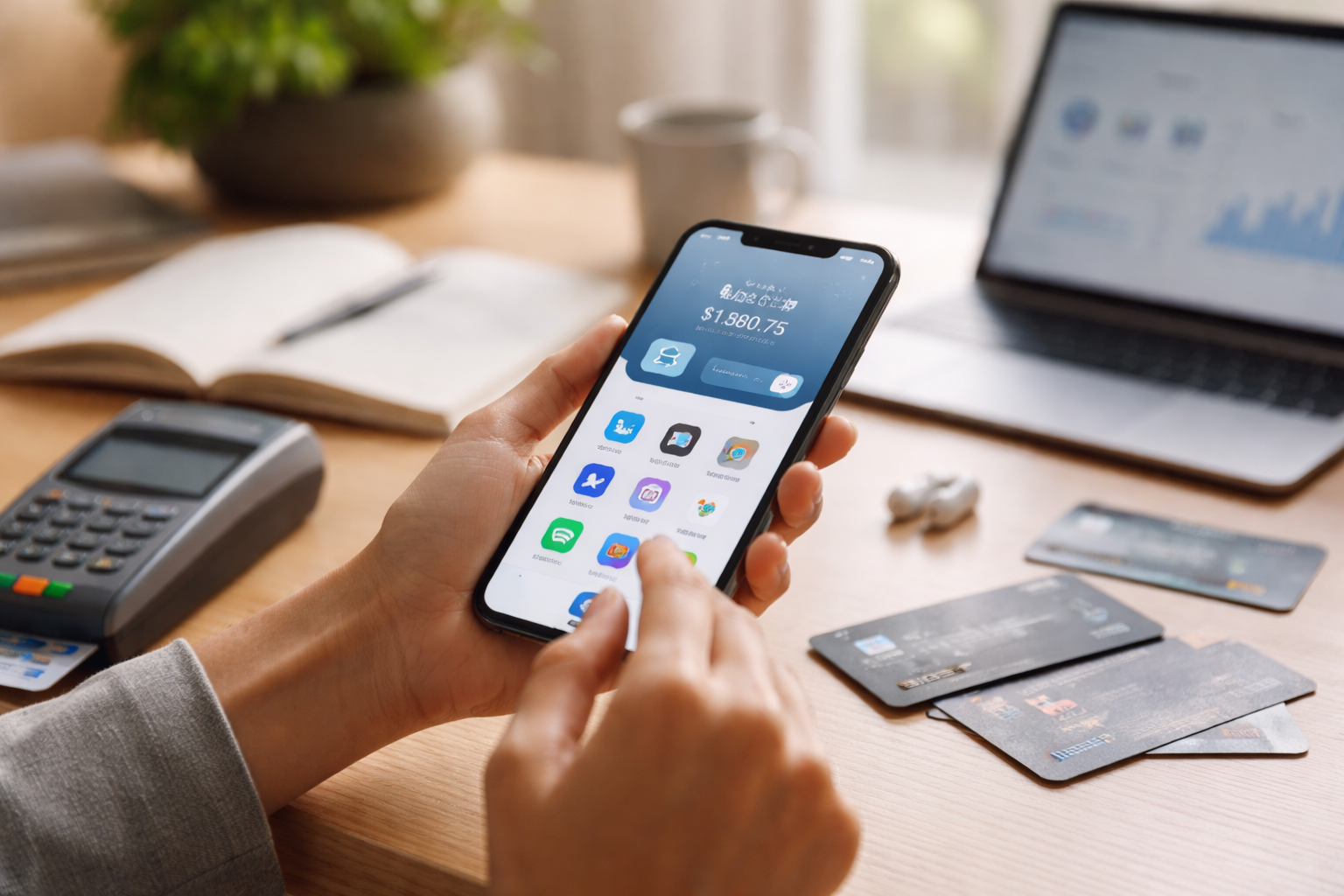
The modern financial landscape is undergoing a rapid transformation, with digital payment apps at the forefront of this evolution. Gone are the days when cash and physical cheques were the primary methods of transaction. Today, a plethora of sophisticated applications offer unparalleled convenience, speed, and security for managing our money. Whether you’re splitting a dinner bill with friends, paying for your morning coffee, or sending money to family across the globe, there’s likely a digital payment app designed to make it effortless. This article takes on the world of digital payment apps, exploring their benefits, comparing leading options, and offering guidance on how to integrate them seamlessly into your financial life.
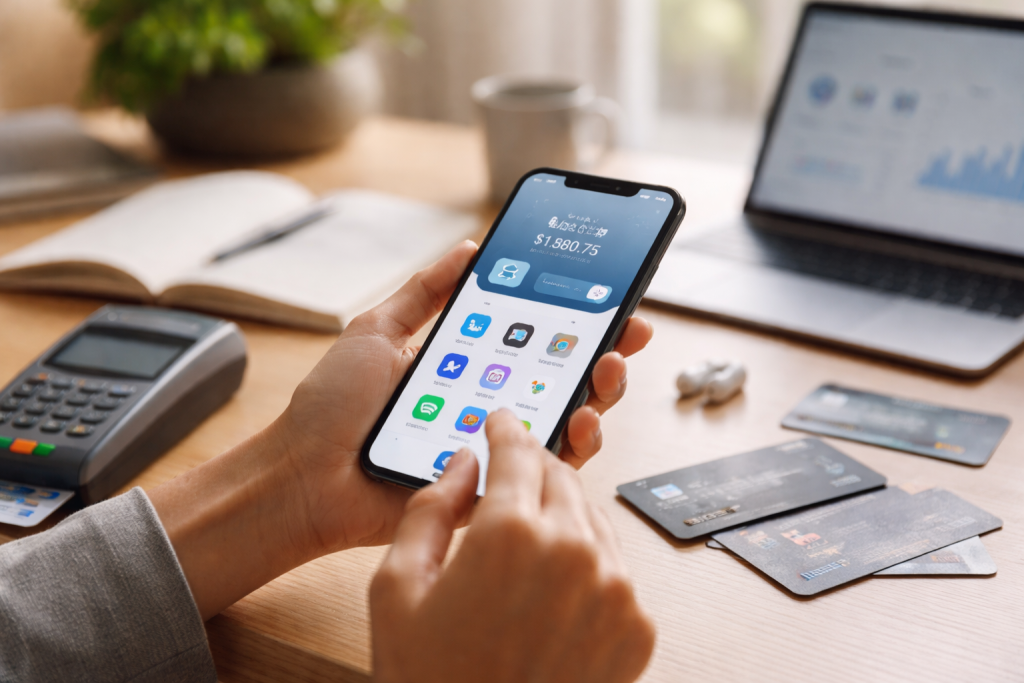
The rise of digital payment apps is not merely a technological fad; it’s a fundamental shift in how we interact with our money. These applications leverage the power of smartphones and the internet to facilitate transactions, moving beyond the limitations of traditional banking. They dismantle geographical barriers, reduce the need for physical currency, and streamline processes that were once cumbersome and time-consuming. The underlying technology, often involving secure protocols and encryption, ensures that your financial information remains protected. The revolution is democratising financial services, making them accessible to a broader audience, and fostering a more efficient and connected global economy. These apps make it easy to transfer funds, track spending, and manage investments, reshaping our daily routines and opening up new avenues for financial management.
Could you please explain what digital payment applications are?
At their core, digital payment apps are software applications that enable users to make and receive payments electronically. This can encompass a wide range of transactions, from peer-to-peer (P2P) transfers between individuals to contactless payments at point-of-sale terminals, online purchases, and bill payments. They act as a digital wallet, storing your financial information, such as bank account details and credit/debit card numbers, in a secure and encrypted format. Instead of physically handling money or presenting a card, you authenticate a transaction through your device, often using biometrics like fingerprint scans or facial recognition, or a PIN. The speed at which these transactions occur is a significant advantage, often completing in seconds rather than days.
The Driving Forces Behind Their Popularity
Several factors contribute to the widespread adoption of digital payment apps. Convenience is of utmost importance; the ability to make payments from any location and at any time is immensely appealing. The speed of transactions, particularly for P2P transfers, eliminates the delays associated with traditional methods. Furthermore, the increasing prevalence of smartphones has created fertile ground for mobile-first solutions. Businesses are also embracing these technologies, recognising their efficiency and potential to reduce transaction fees compared to traditional card processing. As trust in digital security grows, so too does user confidence in these platforms.
The benefits of adopting digital payment apps extend far beyond mere novelty. They offer a compelling blend of convenience and robust security, making them an indispensable tool for modern financial management. The ease with which you can conduct financial operations without the need for physical cash or cumbersome paperwork significantly simplifies daily life. Simultaneously, the advanced security measures employed by these apps provide a level of protection that often surpasses that of traditional methods, reassuring users about the safety of their funds and personal information.
Unparalleled Convenience in Everyday Transactions
Imagine a scenario where you need to quickly reimburse a friend for lunch. With a few taps on your smartphone, the money is instantly transferred. This is the essence of the convenience offered by digital payment apps. From paying for groceries at the supermarket using your phone to settling utility bills online without logging into multiple websites, these apps streamline a multitude of financial tasks. They eliminate the need to carry large amounts of cash, reducing the risk of loss or theft. Moreover, the ability to instantly send money to anyone with a connected device, regardless of their location, revolutionises how we manage our personal finances and support our loved ones. The integration with online shopping sites also makes e-commerce transactions easier by often filling in payment information ahead of time to speed up the checkout process.
Robust Security Measures for Peace of Mind
Security is often a primary concern when it comes to digital financial transactions. However, reputable digital payment apps employ multi-layered security protocols to safeguard user data and funds. Often, these protocols include end-to-end encryption, tokenisation, which replaces sensitive card information with a unique token for each transaction, and advanced fraud detection systems. Multi-factor authentication, requiring more than just a password to access your account, is also a common feature. Furthermore, many apps offer account monitoring and instant alerts for suspicious activity, empowering users to take immediate action if necessary. The decentralised nature of some digital payment systems can also add an extra layer of security, making them less susceptible to single failure points.
Features that Enhance Financial Control
Beyond just payments, many digital apps offer features that enhance your overall financial control. Transaction history is meticulously recorded, providing a clear overview of your spending patterns. Many platforms offer budgeting tools that allow you to categorise expenses, set spending limits, and track your progress toward financial goals. Some apps even integrate with or offer basic investment options, further consolidating your financial management within a single interface. This comprehensive approach to financial management empowers users to make more informed decisions and achieve greater financial well-being.
The digital payment app market is diverse, with numerous players offering distinct features and functionalities. Choosing the right app can depend on your specific needs and preferences. This section explores some of the leading digital payment applications, highlighting their strengths and target audiences to help you make an informed decision.
PayPal: The Established Giant
PayPal remains a dominant force in the digital payment space, renowned for its long-standing reputation and extensive global reach. Its primary strength lies in its versatility, allowing users to send and receive money, make online purchases, and even send invoices. PayPal’s seller protection policies offer an added layer of security for businesses. For individuals, its peer-to-peer payment capabilities are a key draw, especially for sending money to friends and family. PayPal also offers a debit card linked to your account, allowing you to spend your balance anywhere debit cards are accepted.
Venmo: The Social Payment Phenomenon
Venmo, a subsidiary of PayPal, has carved out a niche as a social payment app, particularly popular among younger demographics. Its defining characteristic is its social feed, where users can share the purpose of their payments with friends, often with humorous captions. This makes everyday transactions feel more casual and engaging. Venmo excels in peer-to-peer transfers within the United States and offers a debit card for spending balances. While it doesn’t have the same international reach as PayPal, its user-friendly interface and social integration make it a go-to for splitting bills and casual payments.
Cash App: Simplicity and Emerging Features
Cash App, developed by Block (formerly Square), has gained significant traction for its straightforward interface and growing array of features. It offers seamless peer-to-peer payments and is particularly well-known for its optional Cash Card, a customisable debit card linked directly to your app balance that offers various cashback incentives. Beyond simple transfers, Cash App has expanded to include investing in stocks and Bitcoin, making it a more comprehensive financial tool for some users. Its focus on simplicity makes it accessible to a wide range of users.
Zelle: Direct Bank Integration
Many major financial institutions directly integrate Zelle into their mobile banking apps, making it stand out. This means you can often send and receive money using your existing bank’s app, without needing to download a separate application. Zelle is designed for rapid, secure, person-to-person payments, primarily within the United States. The direct integration with banks provides users with a sense of familiarity and security, as their trusted financial institutions facilitate transactions. However, it generally lacks the broader online purchasing and international capabilities of other apps.
Google Pay and Apple Pay: The Ecosystem Players
Google Pay and Apple Pay represent the mobile wallet solutions offered by tech giants Google and Apple, respectively. The primary purpose of these apps is to facilitate contactless payments at physical retail locations and to streamline online purchases within their respective ecosystems. They securely store your credit and debit card information, allowing for tap-to-pay functionality with compatible devices. While they offer P2P transfer capabilities, they are often more focused on facilitating transactions at the point of sale and within their integrated services, leveraging the convenience of your smartphone or smartwatch.
With a plethora of options available, selecting the digital payment app that best suits your individual requirements is crucial. Consider your primary use cases, desired features, and any specific banking relationships you have. The advice below should help guide your decision-making process.
Understand Your Primary Use Case
Are you predominantly looking to send money to friends and family, make online purchases, pay for goods and services in person, or manage international remittances? If your main goal is to split bills with friends easily, an app like Venmo or Cash App might be ideal due to their social features and user-friendly interfaces. For secure online shopping and broader acceptance, PayPal or even ecosystem-specific apps like Google Pay or Apple Pay could be more suitable. If international transfers are a priority, you’ll need to research apps that specialise in cross-border transactions, as not all apps operate globally.
Evaluate Key Features and Fees
Beyond core payment functionality, explore the additional features that each app offers. Do you want the ability to invest in stocks or cryptocurrencies? Are budgeting and spending analysis important to you? Research the fee structures associated with each app. While many peer-to-peer transfers are free, there might be charges for instant transfers, using credit cards for funding, or for business transactions. Ensure you understand any potential fees before committing to an app. Some apps offer premium features or tiered services that may come with associated costs.
Consider Security and Privacy Standards
Security should always be a top priority. Research the security measures implemented by each app, such as encryption protocols, multi-factor authentication, and fraud detection capabilities. Read reviews and check for any reported security breaches or concerns. Equally important is understanding the app’s privacy policy and how your data is collected, used, and shared. If you are particularly sensitive about data privacy, your privacy is a critical factor to consider.
Compatibility and Integration
Ensure the app is compatible with your devices (smartphone operating system) and that it integrates well with your existing financial infrastructure. If your bank offers a direct integration with a service like Zelle, this might simplify your experience. Similarly, if you are heavily invested in the Apple or Google ecosystems, their respective payment apps will offer seamless integration with your devices and other services.
Once you’ve chosen a digital payment app, the setup process is typically straightforward. Following these steps will ensure a smooth onboarding experience and allow you to begin enjoying the benefits of digital payments quickly and securely.
The Initial Setup Process
Most digital payment apps require you to download the application from your device’s app store. Once installed, you’ll typically be prompted to create an account, often using your email address or phone number. You will then need to link a funding source to your account. This can usually be done by adding a bank account, debit card, or credit card number. You’ll be asked to verify your identity, which may involve providing personal information and potentially linking to your bank account for verification. Setting up a strong password and enabling biometric authentication (fingerprint or facial recognition) is highly recommended for enhanced security.
Funding Your Account and Making Payments
Funding your digital wallet is usually a simple process. You can typically transfer money from your linked bank account into your app’s balance. Alternatively, you can link credit or debit cards to use for direct payments. When making a payment, you’ll select the recipient, enter the amount, and often add a note. For in-person transactions, you’ll typically present your phone or smartwatch to a contactless payment terminal, and the transaction will be authorised through your device. Online purchases often pre-fill your payment details, making checkout quick and easy.
Receiving Money and Withdrawing Funds
Receiving money is as simple as having someone send it to your account. The funds will usually appear in your app’s balance almost instantly. From there, you have several options. You can keep the money in your digital wallet for future payments, or you can withdraw it to your linked bank account. Withdrawal times can vary depending on the app and your bank, but many offer instant transfer options for a small fee.
Digital payment apps are powerful tools for financial management. By implementing smart strategies, you can leverage their capabilities to gain better control over your spending, saving, and budgeting. Here are some tips that will help you maximise the financial benefits of these applications.
Track Your Spending Meticulously
One of the most significant advantages of digital payment apps is the automatic record of every transaction. Make it a habit to review your transaction history regularly. Categorise your expenses to understand where your money is going. Many apps offer built-in tools for this, allowing you to assign labels to each spend. This detailed overview can reveal spending habits you might not have been aware of, facilitating more conscious financial decisions.
Utilize Budgeting and Goal-Setting Features
If your chosen app offers budgeting tools, take full advantage of them. Set spending limits for different categories and monitor your progress throughout the month. Many apps also allow you to set financial goals, such as saving for a down payment or a vacation. By linking these goals to your spending and saving activities, you can stay motivated and on track to achieve them.
Automate Savings and Bill Payments
Digital payment apps can simplify the often-tedious task of managing recurring payments. Set up automatic bill payments for your utilities, subscriptions, and loan repayments to avoid late fees and ensure timely transactions. Similarly, consider automating your savings by setting up regular transfers from your checking account to a savings account or an investment feature within the app. This “set it and forget it” approach can significantly boost your savings over time.
Be Wary of Scams and Phishing Attempts
While digital payment apps are secure, users must remain vigilant against scams. Be cautious of unsolicited requests for money or information. Never share your login credentials or personal financial details with anyone who contacts you unexpectedly, even if they claim to be from the app’s support team. Always verify requests through official channels. Report any suspicious activity to the app provider immediately.
The digital payment landscape is in perpetual motion, with ongoing innovation shaping how we transact and manage our money. Anticipating and understanding this trend can help individuals and businesses stay ahead of the curve and capitalise on emerging opportunities.
The Rise of Contactless and Biometric Payments
Contactless payments, facilitated by technologies like NFC (Near Field Communication) embedded in smartphones and smartwatches, are becoming the norm. This trend is expected to accelerate, further reducing reliance on physical cards and cash. Biometric authentication, such as fingerprinting and facial recognition, will continue to enhance security and convenience, making transactions even more seamless and personalised. The integration of these technologies with augmented reality (AR) could even allow for immersive payment experiences in the future.
The Growing Influence of Blockchain and Cryptocurrencies
Blockchain technology, the backbone of cryptocurrencies, is poised to play a more significant role in the future of digital payments. While volatile, cryptocurrencies offer potential for faster, cheaper, and more secure cross-border transactions. Stablecoins, cryptocurrencies pegged to fiat currencies, are also gaining traction as a more predictable medium of exchange. Decentralised finance (DeFi) platforms, built on blockchain, are emerging as alternatives to traditional financial institutions, offering novel ways to lend, borrow, and invest.
Enhanced Personalization and AI Integration
Artificial intelligence (AI) will increasingly personalise the digital payment experience. AI algorithms will be used to provide more tailored recommendations, predict spending patterns, offer personalised financial advice, and detect fraudulent activities with greater accuracy. Imagine an app that proactively suggests budgeting adjustments based on your spending habits or alerts you to potential savings opportunities you might have missed. This intelligent integration will make financial management more intuitive and effective.
The Expansion of Embedded Finance
Embedded finance refers to the integration of financial services directly into non-financial platforms and applications. This means you could soon be applying for a loan or investing directly within a social media app or a retail platform, without ever leaving the environment. This seamless integration will further blur the boundaries between daily activities and financial management, thereby making financial services more accessible and convenient than ever before. The continued evolution of digital payment apps promises a future where managing our finances is not only easier but also more integrated, intelligent, and secure.