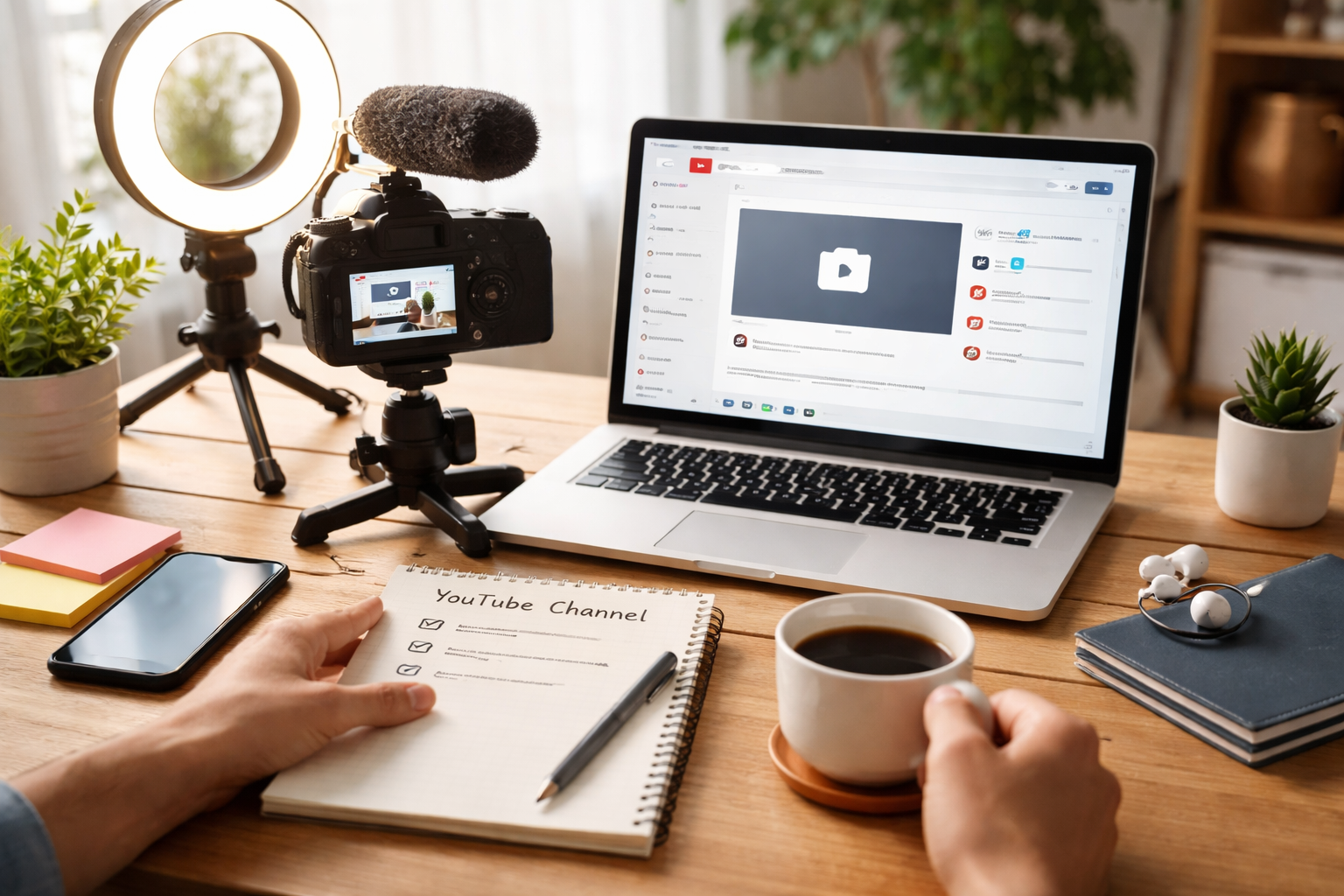
Embarking on the journey to create a YouTube channel can feel like staring up at a vast, uncharted territory. It is undeniable that sharing your passions, connecting with a global audience, and perhaps even building a career are alluring. However, transforming that ambition into a tangible, successful channel requires a structured approach. It’s not just about hitting record; it’s about strategic planning, creative execution, and consistent effort. This guide will walk you through each crucial step, from discovering your unique voice to seeing your content reach its full potential.
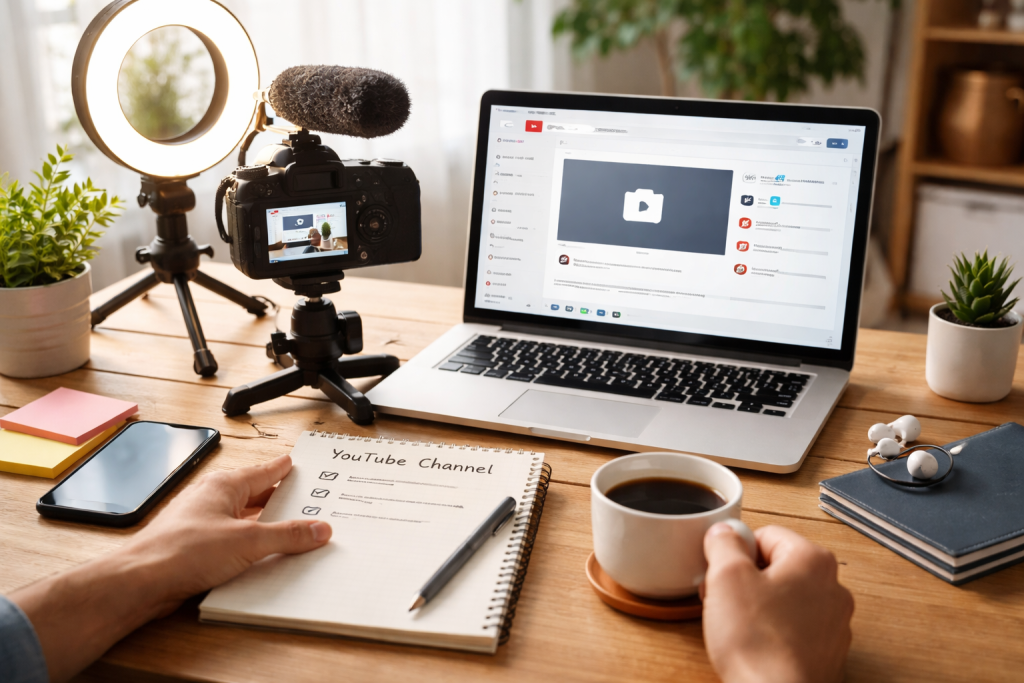
The foundation of any thriving YouTube channel lies in identifying a specific area of focus, often referred to as a niche. This isn’t about limiting yourself, but rather about honing your message and attracting a dedicated community of viewers who share your interests. Without a clear niche, your content can become scattered and unfocused, making it difficult for new viewers to understand what you’re all about and less likely for them to subscribe. Finding your niche is an introspective process that requires you to explore what excites you and who you want to connect with.
Discovering Your Passions and Expertise
The most sustainable and enjoyable way to build a YouTube channel is to center it around something you genuinely love. What topics do you find yourself talking about for hours? What hobbies consume your free time? What problems do you enjoy solving or explaining to others? Consider the skills you’ve acquired through work, education, or life experiences. Perhaps you’re a whiz in the kitchen, a master of a particular video game, a passionate advocate for environmental sustainability, or a gifted storyteller.
Identifying Your Target Audience
Once you have a strong sense of your passions, it’s time to think about who would be interested in them. Who would be inspired by your journey, entertained by your perspective, or benefit from your knowledge? Consider their demographics (age, location, gender, and income), their interests, their pain points, and their aspirations. Researching existing channels in your potential niche can offer priceless details about the types of viewers they attract and the content they resonate with. Understanding your audience will directly inform the style, tone, and subject matter of your videos.
Market Research and Validation
While passion is essential, so is practicality. Before fully committing to a niche, it’s wise to conduct some research to understand its viability. Are there already many creators in this space? Is there still room for your unique voice and perspective? Look at the search volume for keywords related to your niche on YouTube and Google. Are people actively looking for information or entertainment related to your chosen topic? Competition often signifies a healthy and engaged audience, so don’t let it discourage you. Instead, focus on how you can differentiate yourself.
The technical aspect of video creation might seem daunting, but it’s more accessible than ever. High-quality audio and visuals are crucial for keeping viewers engaged. While you don’t need a Hollywood studio to start, investing in a few key pieces of equipment will significantly elevate the professionalism of your content. The goal is to create a clear and immersive viewing experience that respects your audience’s time and attention.
Cameras: Capturing Your Vision
The evolution of mobile technology means that many smartphones today are capable of recording excellent video. For beginners, a smartphone can be a fantastic starting point. As you grow, you might consider investing in a dedicated camera.
Smartphone as Your First Camera
Modern smartphones boast impressive camera capabilities, often shooting in 4K resolution. Ensure you have good storage space and consider a small tripod or gimbal for stable shots.
Entry-Level DSLRs and Mirrorless Cameras
A DSLR or mirrorless camera offers a worthwhile upgrade for improved image quality, control over depth of field, and interchangeable lenses. Look for models with excellent low-light performance and built-in image stabilization.
Lighting: Illuminating Your Story
Good lighting is often the most overlooked but impactful element in video production. It can transform a homemade video into something that looks polished and professional. Proper lighting helps to create a pleasant mood, makes your subject look their best, and ensures details are visible.
Natural Light: Your Free Studio
Utilizing natural light, such as by filming near a window, is an excellent and cost-effective way to achieve soft, flattering illumination. Position yourself so the light is hitting your face directly or slightly to the side.
Affordable Lighting Solutions
When natural light isn’t sufficient, consider affordable artificial lighting. A ring light is a popular choice for creators, providing even illumination for close-ups. Softboxes or LED panels can also offer more versatile and diffused lighting setups.
Sound: The Unsung Hero of Video
Viewers will tolerate slightly imperfect visuals, but poor audio is an immediate turn-off. Clear and crisp sound ensures your message is heard and understood without frustration. Investing in external audio equipment is often more impactful than upgrading your camera.
Built-in Microphone Limitations
While convenient, the built-in microphones on most cameras and phones are not designed for optimal audio capture and can pick up a lot of ambient noise.
External Microphones: Lavalier and Shotgun
A lavalier microphone (clip-on) is excellent for capturing clear dialogue when you’re speaking directly to the camera. A shotgun microphone, mounted onto your camera or on a boom pole, is effective for capturing sound from a distance and isolating your subject’s voice from background noise.
Content is king on YouTube, and its quality directly correlates with viewer retention and channel growth. Engaging content is not just about what you say or show, but also how you present it. This involves meticulous planning, a thoughtful filming process, and skillful editing that keeps your audience captivated from beginning to end.
Planning Your Videos: The Blueprint for Success
Before you even pick up a camera, a solid plan is essential. This ensures your videos are focused, coherent, and deliver value to your viewers.
Scripting and Storyboarding
For more structured content, writing a script can help you stay on track and deliver your message clearly. For visual content, storyboarding—sketching out key shots—can help you visualize the flow of your video.
Content Calendar and Consistency
Developing a content calendar helps you organize your video ideas, schedule filming and editing time, and maintain a consistent upload schedule. Regular uploads signal to YouTube and your subscribers that your channel is active and reliable.
Filming: Bringing Your Ideas to Life
The actual act of filming is where your plan starts to take shape. Technical execution here will ensure you have the best possible footage to work with in post-production.
Framing and Composition
Think about how you are positioning yourself and other elements within the frame. The rule of thirds, for instance, can create visually appealing compositions. Ensure your subject is well-centered or intentionally placed off-center for a dynamic effect.
Delivery and Performance
Whether you’re presenting information or performing, confidence and authenticity are key. Practice your delivery, speak clearly, and try to connect with your imaginary audience as if they’re right in front of you. Vary your tone and pace to maintain interest.
Editing: The Art of Assembly
Editing is where you transform raw footage into a polished, engaging narrative. This is where you can inject personality, remove mistakes, and add visual flair.
Basic Editing Software
Many free and affordable editing software options are available for both desktop and mobile. iMovie, Shotcut, DaVinci Resolve (with a free version), and CapCut are excellent starting points.
Pacing and Flow
Good editing involves managing the pace of your video. Use cuts to keep things moving, but also allow for moments of pause where necessary. Transitions should be smooth and not distracting.
Adding Visuals and Audio Enhancements
Incorporating B-roll (supplementary footage), graphics, music, and sound effects can significantly enhance the viewer experience. Ensure all added elements complement your core content and don’t overwhelm it.
In the crowded landscape of YouTube, a strong brand identity is what makes your channel memorable and recognizable. It’s more than just a logo; it’s the overall impression you make on your audience, from your visuals to your tone of voice. A cohesive brand helps viewers understand who you are, what you stand for, and why they should subscribe.
Visual Identity: Channel Art and Thumbnails
Your channel’s visual presentation is the first thing potential subscribers will see. This includes your channel banner and the thumbnails for your videos.
Crafting Compelling Channel Art
Your channel banner should clearly communicate what your channel is about and include your upload schedule or social media handles. It needs to be visually appealing and fit across different devices.
Designing Eye-Catching Thumbnails
Thumbnails are critical for attracting clicks. They should be high-resolution, clearly represent the video’s content, and ideally include text that intrigues viewers. Use consistent branding elements across your thumbnails to create recognition.
Logo and Color Palette: The Face of Your Brand
A distinctive logo and a consistent color palette tie your brand together. This helps viewers instantly recognize your content, even before they see your channel name.
Developing a Unique Logo
Your logo doesn’t have to be overly complex. It should be simple, memorable, and representative of your niche. Consider hiring a freelancer or using online tools if design isn’t your forte.
Establishing a Color Scheme
Choose a few colors that resonate with your brand’s personality and use them consistently in your channel art, thumbnails, and any on-screen graphics.
Tone of Voice and Messaging: Your Authentic Voice
Your tone of voice and the messages you consistently communicate convey your brand’s personality beyond visuals. Are you educational and authoritative, or casual and humorous?
Authenticity and Relatability
Viewers connect with genuine creators. Be yourself, embrace your quirks, and let your personality shine through your videos.
Clear Value Proposition
What makes your channel unique? What specific value do you offer your viewers? Clearly articulating this in your channel description and throughout your content will help you attract the right audience.
YouTube is not just a social media platform; it’s also the world’s second-largest search engine. To ensure your content is discovered by the right audience, you need to understand and implement YouTube’s Search Engine Optimization (SEO) best practices. This involves making your videos discoverable not only through direct searches but also through recommendations.
Keyword Research: The Backbone of Discoverability
Keywords are the terms people type into the search bar to find videos. Identifying relevant keywords for your content is the cornerstone of YouTube SEO.
Finding Relevant Keywords
Use YouTube’s search bar suggestions, Google Keyword Planner, and other SEO tools to identify popular search terms related to your niche and specific video topics. Think like your audience: what would they search for?
Analyzing Competitor Keywords
Look at what keywords successful channels in your niche are using in their titles, descriptions, and tags. This can provide valuable inspiration and uncover potential opportunities.
Optimizing Titles, Descriptions, and Tags
Once you have your keywords, you need to strategically place them within your video’s metadata to signal relevance to YouTube’s algorithm.
Crafting Engaging Titles
Your title is the first thing viewers see. It needs to be clear, concise, and include your primary keyword, while also being enticing enough to encourage clicks.
Writing Detailed Descriptions
The video description provides more context for YouTube’s algorithm and for viewers. Include your primary keyword early on, and then provide a comprehensive summary of your video, including relevant secondary keywords and timestamps for longer videos.
Utilizing Tags Effectively
Tags help YouTube understand the broader themes and relevant topics of your video. Use a mix of broad and specific tags, and include variations of your main keywords.
Encouraging Engagement: Likes, Comments, and Subscriptions
YouTube’s algorithm also considers viewer engagement as a signal of content quality. Videos that encourage interaction are often prioritized.
Call to Actions
In your videos, explicitly ask viewers to like, comment, and subscribe. Please explain the benefits of doing so.
Responding to Comments
Actively engaging with your audience in the comments section fosters community and shows YouTube that you’re a communicative creator.
Launching your channel is just the beginning. To gain traction and grow your audience, you need to be proactive in promoting your content. Leveraging the power of social media and engaging in collaborations can significantly amplify your reach and introduce your channel to new viewers.
Social Media Outreach: Spreading the Word
Social media platforms offer a powerful ecosystem to share your YouTube content and engage with potential subscribers beyond the YouTube platform itself.
Choosing the Right Platforms
Identify which social media platforms your target audience frequents. For visual content, platforms like Instagram and TikTok can be highly effective. For broader audience reach, Facebook and Twitter are valuable.
Cross-Promotion Strategies
Share snippets of your videos, behind-the-scenes content, and direct links to your YouTube videos on your chosen social media channels. Tailor your posts to each platform’s format and audience expectations.
Collaborations: Expanding Your Reach
Collaborating with other YouTubers is a mutually beneficial strategy that exposes your channel to their audience and vice versa.
Finding Potential Collaborators
Look for creators in your niche or related niches who have a similar audience size and engagement levels. Reach out with a clear proposal outlining the benefits for both parties.
Types of Collaborations
Collaborations can take many forms, from guest appearances on each other’s channels to joint video projects, challenges, or even simple shout-outs. The key is to create content that appeals to both audiences.
Community Building: Engaging Your Existing Audience
Don’t forget the power of your existing subscribers. Nurturing your community encourages loyalty and can lead to organic promotion through word-of-mouth.
Responding to Comments and Messages
As mentioned earlier, consistent engagement with your audience builds rapport.
Hosting Q&A Sessions or Live Streams
Interactive formats allow for real-time engagement and a deeper connection with your viewers.
Once your channel starts gaining traction and building an audience, you’ll naturally begin to think about how to generate income from your content. YouTube offers several avenues for monetization, allowing creators to turn their passion into a sustainable endeavor.
YouTube Partner Program: Ad Revenue
The primary way many YouTubers earn money is through ads displayed on their videos via the YouTube Partner Program (YPP).
Eligibility Requirements
To join the YPP, you typically need to meet certain subscriber and watch time thresholds, adhere to YouTube’s monetization policies, and have a linked AdSense account.
Understanding Ad Formats and Payouts
YouTube offers various ad formats, from skippable in-stream ads to non-skippable ads. Your earnings are based on factors like the number of views, audience demographics, and the type of ads shown.
Sponsorships and Brand Deals: Partnering with Businesses
As your channel grows in influence, brands may approach you for sponsored content or product placements.
Identifying Relevant Brands
Seek brands whose products or services align with your niche and resonate with your audience. Authenticity is key to maintaining viewer trust.
Negotiating and Creating Sponsored Content
Understand your worth and negotiate fair compensation. Clearly disclose sponsored content to your viewers to maintain transparency and comply with regulations.
Other Monetization Avenues: Diversifying Your Income
Beyond ads and sponsorships, there are other creative ways to monetize your channel and diversify your income streams.
Affiliate Marketing
Promote products or services you use and love, and earn a commission on sales made through your unique affiliate links.
Merchandising and Digital Products
Consider creating and selling your own branded merchandise, e-books, courses, or digital templates related to your niche.
Channel Memberships and Super Chat
YouTube offers features that allow dedicated fans to support your channel financially through monthly memberships or one-time Super Chat donations during live streams.