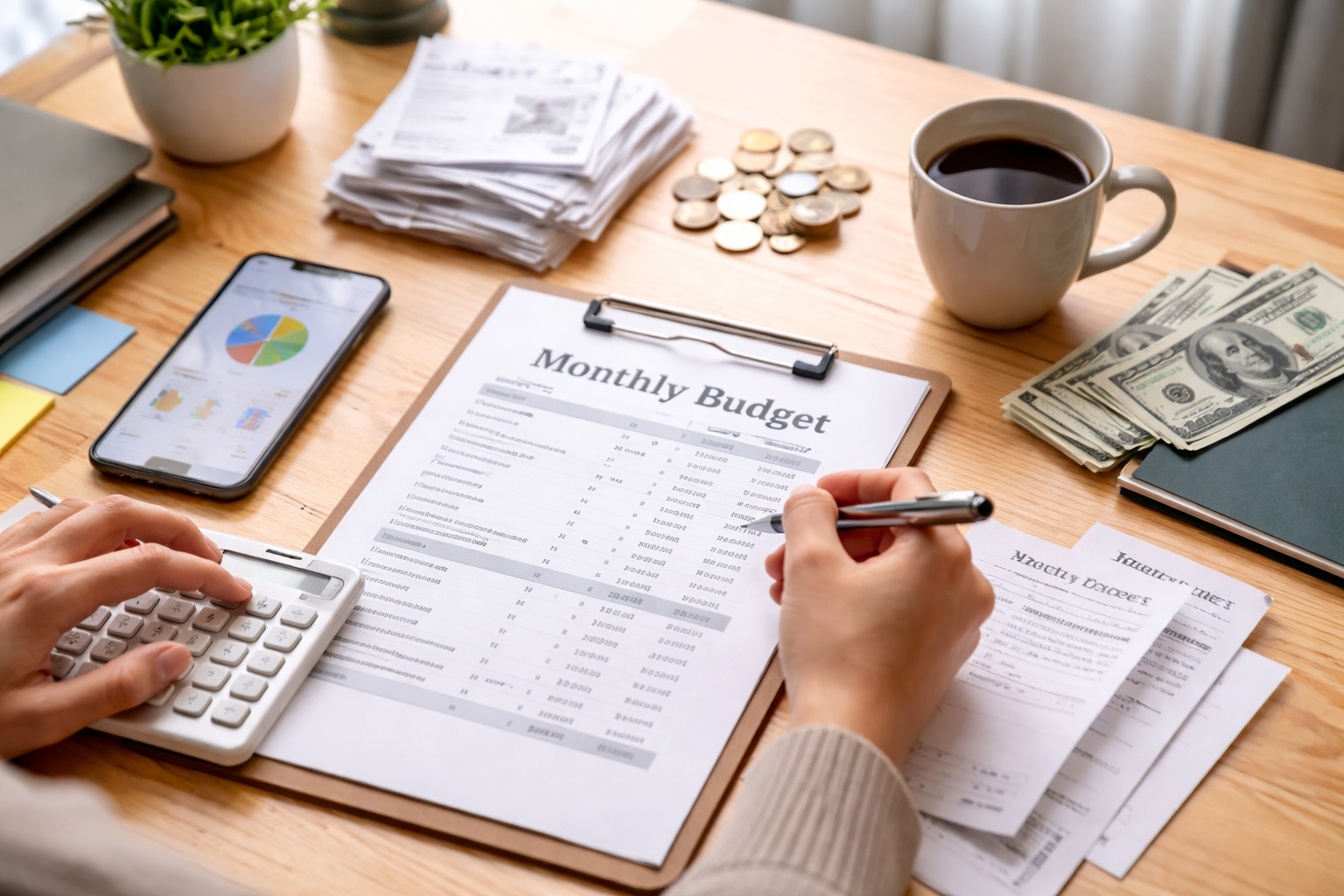
Taking control of your finances might seem like a daunting task, a complex web of numbers and decisions that many prefer to postpone. However, the truth is, managing your money effectively doesn’t have to be overwhelming. It all begins with a fundamental, yet powerful, practice: tracking your daily expenses. This seemingly simple act is the bedrock of financial stability, empowering you to understand where your money goes, identify areas for improvement, and ultimately pave the way for a more secure and prosperous future. Embracing expense tracking is not just about recording transactions; it’s about gaining insights into your spending habits and building a healthier relationship with your money.

Understanding the Importance of Tracking Daily Expenses
Many individuals navigate their financial lives with a vague understanding of their spending. They know approximately how much they earn and roughly how much they spend, but the specifics often remain elusive. This lack of clarity is a significant hurdle to achieving financial goals. Tracking daily expenses illuminates the path, turning vague assumptions into concrete data.
Unveiling Your Spending Habits and Patterns
Without a detailed record, small, seemingly insignificant expenses can easily evade attention and accumulate into substantial amounts. The daily coffee, the numerous online subscriptions, or the impulsive purchases can quietly deplete your bank account without your full awareness. Expense tracking serves as a powerful tool, uncovering these hidden expenses and highlighting your actual spending habits. It answers critical questions: Are you spending more on dining out than you realise? Are your entertainment costs escalating? Are there recurring subscriptions you no longer use? This granular view is indispensable for informed financial decision-making.
Identifying Areas for Potential Savings
Once you have a clear picture of where your money is going, the next logical step is to identify opportunities for saving. Many people are surprised to discover just how much they can cut back without significantly impacting their quality of life. Perhaps you realise you’re paying for multiple streaming services when you only use a couple, or your grocery bills are consistently higher due to frequent impulse buys. Expense tracking provides the evidence needed to make conscious choices about where to reduce spending, transforming potential savings into actual savings.
Tips for Organizing and Categorizing Your Expenses
The effectiveness of expense tracking hinges on an organised, consistent approach. Simply jotting down numbers without context won’t provide the insights you need. Strategic categorisation is key to turning raw data into meaningful information.
Establishing Clear and Consistent Categories
The foundation of effective organisation lies in creating a set of clear and relevant spending categories. While there are common categories like “housing”, “transportation”, “food”, and “utilities”, it’s crucial to tailor these to your individual lifestyle. For instance, if you have specific hobbies, creating a dedicated category like “pet care” or “gym membership” can provide more granular insights. The goal is to ensure that every expense has a logical home, preventing ambiguity and making analysis easier. Consistency is paramount; once you establish your categories, stick to them to maintain data integrity over time.
Maintaining Regularity in Recording Expenditures
Sporadic tracking is almost useless. For your data to be truly reflective of your financial reality, you must commit to recording expenses regularly. This could mean daily, biweekly, or weekly, depending on what works best for your schedule and spending habits. The more frequently you record, the less likely you are to forget transactions or make errors. Make it a habit: perhaps dedicate five minutes each evening to review your purchases or set a reminder on your phone. Even small, seemingly insignificant purchases should be recorded; they contribute to the overall picture.
Utilizing Technology for Efficient Expense Tracking
In today’s digital age, manual expense tracking is largely obsolete. A myriad of technological tools are available to streamline the process, making it more efficient, accurate, and even enjoyable.
Exploring Mobile Apps and Budgeting Software
Gone are the days of paper ledgers and complex spreadsheets. Mobile budgeting apps have transformed the process of tracking expenses, providing users with the convenience and robust analytical capabilities they need. Apps like Mint, YNAB (You Need A Budget), Personal Capital, and PocketGuard automatically sync with your bank accounts and credit cards, categorising transactions and providing real-time updates on your spending. These apps often include features like budget setting, bill reminders, and investment tracking, turning your smartphone into a comprehensive financial management tool. Explore different options to find an app that aligns with your preferences and financial goals.
Leveraging Spreadsheets for Customized Tracking
personalised While automated apps are incredibly convenient, some individuals prefer the flexibility and control offered by spreadsheets. Programs like Microsoft Excel or Google Sheets allow highly customised expense tracking systems. You can design your own categories, create intricate formulas for calculations, and generate personalised reports. This method is particularly appealing to those who enjoy a hands-on approach and want to learn more about data analysis. Templates are readily available online that can provide a strong starting point, and with a little effort, you can build a robust system tailored exactly to your needs. The key is to commit to regularly updating your spreadsheet to ensure its accuracy.
Creating a Realistic Budget Based on Your Daily Expenses
Once you have a solid understanding of your spending patterns through consistent tracking, the next crucial step is to translate that knowledge into a workable budget. A budget isn’t about restriction; it’s about conscious allocation of your resources to align with your financial aspirations.
Analyzing Your Spending Data to Set Realistic Limits
categorised The beauty of consistent expense tracking is that it provides the hard data needed to create a truly realistic budget. Instead of guessing how much you spend on groceries, you’ll know precisely. By using this data, you can establish realistic spending limits and steer clear of unrealistic budgets. Review your categorised expenses over a period (e.g., three months) to identify average spending in each area. This historical data is your guide, informing how much you can reasonably allocate to different categories each month. Be honest with yourself about your current habits, and build your budget around those realities before implementing changes.
Allocating Funds to Different Categories and Goals
With a clear understanding of your income and typical expenses, you can begin to allocate specific amounts to each spending category. This is where you consciously decide how much you’re willing to spend on essentials, discretionary items, and most importantly, savings and debt repayment. Think of your budget as a financial roadmap, guiding your money towards your desired destinations. Perhaps you want to save for a down payment on a house, pay off student loans, or build an emergency fund. Your budget should reflect these goals, ensuring that a portion of your income is consistently directed towards them. Remember, a budget is a living document; it needs to be reviewed and adjusted periodically to remain relevant.
Strategies for Cutting Costs and Saving Money
Optimised: Armed with insights from your expense tracking and a well-defined budget, you’re now in a powerful position to actively cut costs and boost your savings. This phase involves making conscious choices to optimise your spending.
Identifying Non-Essential Spending and Opportunities for Reduction
Analyse The detailed breakdown of your expenses will inevitably reveal areas where you can comfortably cut back without sacrificing your well-being. These often fall under the category of “wants” rather than “needs”. Perhaps you’re subscribed to several streaming services you rarely watch, or you frequently order takeout when cooking at home would be more cost-effective. Analyse your discretionary spending categories and look for opportunities to reduce or eliminate items that don’t bring significant value. Even small adjustments, like packing your lunch instead of buying it daily, can add up to substantial savings over time.
Implementing Practical Saving Techniques and Habits
Beyond cutting non-essential spending, there are numerous practical strategies you can adopt to consistently save money. This includes the “envelope system” for cash-based budgeting, where you allocate physical cash to different spending categories. Another effective technique is “paying yourself first”, where a portion of your income is automatically transferred to a savings account before you have a chance to spend it. Explore bulk buying for non-perishable goods, compare prices before making major purchases, and take advantage of loyalty programmes and discounts. Developing a habit of mindful consumption and prioritising savings will significantly accelerate your financial progress. Even seemingly minor changes, consistently applied, can have a profound impact on your long-term financial health.
Monitoring Your Progress and Adjusting Your Money Management Plan
Creating a budget and tracking expenses isn’t a one-time event; it’s an ongoing process that requires regular review and adaptation. Life circumstances change, and your financial plan needs to evolve accordingly.
Regular Review of Your Budget and Spending Patterns
Set aside dedicated time each month to review your budget and actual spending. Compare your budgeted amounts against what you actually spent in each category. This critical step allows you to identify discrepancies, understand why they occurred, and make informed adjustments. Did you consistently overspend in a particular area? Was there an unexpected expense that threw your budget off track? A regular review keeps your budget relevant and helps you learn from your financial behaviour. It’s not about judgement; it’s about continuous improvement and refinement of your financial strategy.
Adapting Your Financial Plan to Changing Circumstances
Life is unpredictable, and your financial plan needs to be flexible enough to accommodate changes. A new job, a significant life event, an unexpected expense, or even a shift in your financial goals will necessitate adjustments to your budget and overall money management strategy. Don’t be afraid to tweak your categories, revise your spending limits, or reallocate funds as needed. The goal is to have a financial plan that effectively supports your current reality and future aspirations. Being adaptable ensures that your money management system remains a powerful tool rather than a rigid constraint.
The Benefits of Consistent and Accurate Expense Tracking
The effort invested in consistent and accurate expense tracking yields a multitude of tangible and intangible benefits that extend far beyond simply knowing where your money goes.
Achieving Financial Clarity and Reduced Stress
Perhaps one of the most immediate and profound benefits of diligent expense tracking is the immense financial clarity it provides. When you know precisely how much you earn, how much you spend, and where your money is allocated, the anxiety often associated with financial uncertainty begins to dissipate. This clarity fosters a sense of control and empowerment, leading to significantly reduced financial stress. You’re no longer operating in the dark; you’re making informed decisions based on solid data, which translates into greater peace of mind.
Making Informed Financial Decisions and Reaching Goals Faster
With a clear understanding of your financial landscape, every financial decision becomes more informed and strategic. Whether it’s deciding on a major purchase, planning a vacation, or investing for the future, your expense tracking data provides the foundational intelligence. You’ll be better equipped to assess the impact of financial choices, allowing you to prioritise expenses that align with your values and accelerate your progress toward your financial goals. By actively managing your money, you transform aspirations into achievable realities, whether it’s saving for retirement, paying off debt, or building wealth. Consistent tracking is not just a tool; it’s a catalyst for financial success and an essential step toward a more secure economic future.