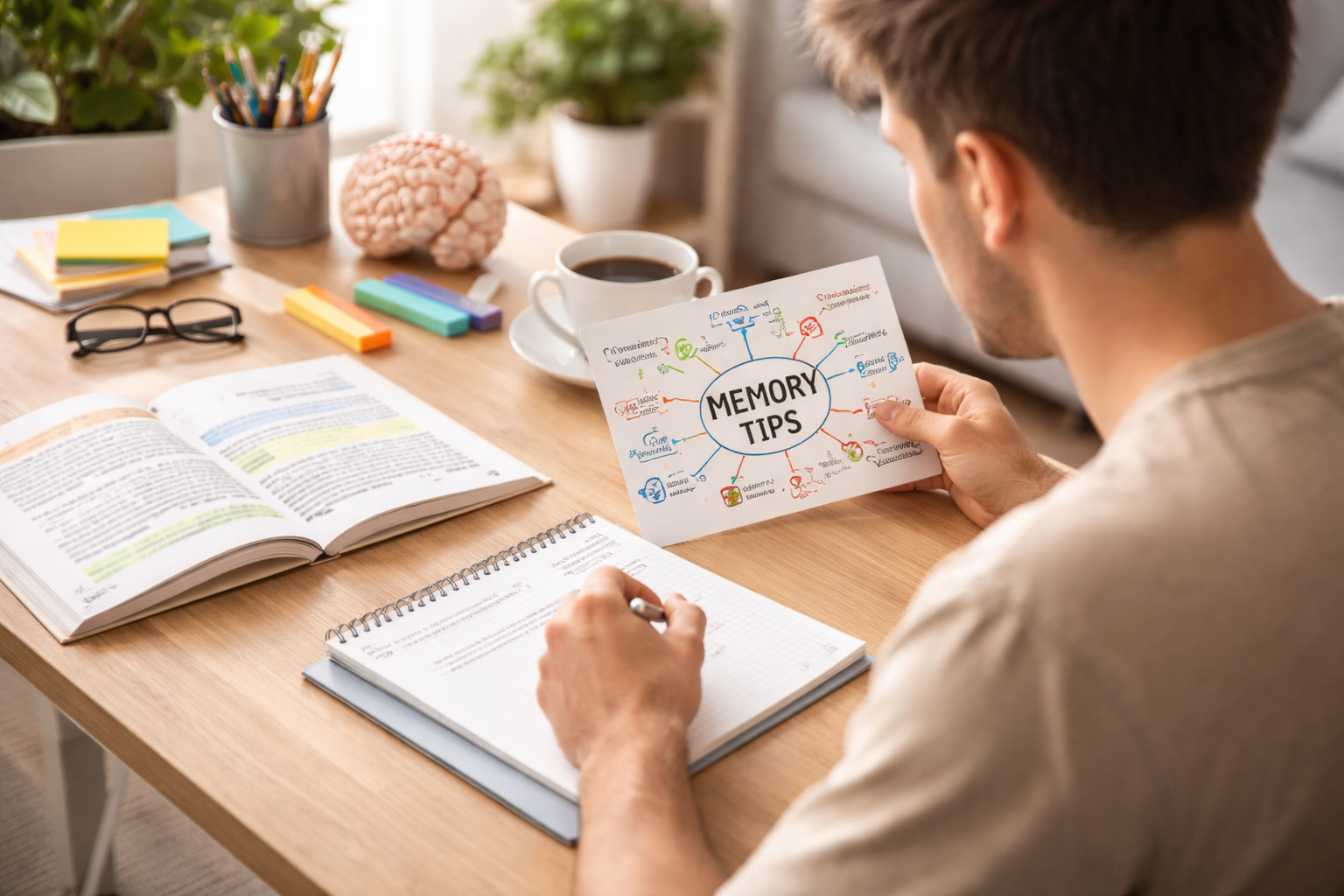
Academic success requires diligent effort, and effective class notes are a crucial tool for this endeavor. They are not merely a record of what was said but rather a dynamic representation of your understanding, a personal bridge between the lecture hall and your comprehension. Mastery of note-taking transforms passive learning into active engagement, empowering you to absorb, retain, and recall information with greater ease. This guide will navigate you through the intricacies of crafting excellent notes, from active listening techniques to leveraging technology, and ultimately, transforming those notes into powerful study aids.

Solid academic understanding is based on effective class notes. They are the tangible output of your attention, your engagement, and your initial processing of new information. Instructors’ valuable insights can quickly fade away without well-crafted notes, putting you at a significant disadvantage during assessments. The importance of these notes extends far beyond simply recollecting facts; they are instrumental in developing critical thinking skills, fostering deeper comprehension, and creating a personalized learning resource that aligns with your unique cognitive style.
Why Bother with Notes?
words butThe act of taking notes themselves forces a level of engagement that passive listening cannot replicate. It requires that you actively listen, identify key concepts, and synthesize information in real time. This cognitive process of deciding what is important enough to write down helps to solidify information in your memory. Furthermore, your notes become a personalized archive of your learning journey. They capture not just the instructor’s words, but also your own annotations, questions, and connections, making the revision process more efficient and relevant to your individual learning needs.
Building a Foundation for Recall
Your lecture notes provide a direct path to the presented information during a test or assignment. A well-organized and comprehensive set of notes can significantly reduce the stress and time associated with studying. Instead of having to re-listen to hours of lecture recordings or reread dense textbooks, you can quickly access the most critical information, saving valuable study time and improving the accuracy of your recall. This focused approach allows you to identify areas where you might need further clarification or additional study.
How you organize your notes heavily influences their effectiveness. A haphazard collection of scribbles will likely prove frustrating rather than helpful. Strategic organization transforms your notes from a chaotic jumble into a structured and easily navigable resource, significantly enhancing your ability to review and recall information.
Choosing Your Method: Linear vs. Visual
Different individuals resonate with different organizational approaches. The traditional linear method, where notes are taken sequentially as the lecture progresses, is straightforward and universally applicable. However, for those who think visually, more dynamic methods like the Cornell Note-Taking System or mind mapping can be incredibly beneficial. The Cornell system, for instance, divides your paper into three sections: a main note-taking area, a cue column, and a summary section, encouraging active summarization and recall.
The Power of Keywords and Abbreviations
To keep pace with a fast-moving lecture, developing a personal system of abbreviations and keywords is essential. Instead of writing out full words, use concise symbols or shortened versions. For example, “w/” for “with,” “b/c” for “because,” or “e.g.” for “for example.” Similarly, identifying and highlighting key terms, concepts, and names using distinct formatting like underlining, bolding, or a different color can draw attention to crucial elements. Such formatting not only speeds up your note-taking but also makes it easier to skim and identify key information during revision.
Effective note-taking is inextricably linked to effective listening. Even with a great organizational system, if you don’t absorb the information, your notes will be shallow. Active listening is a skill that can be cultivated, transforming you from a passive recipient of information into an engaged participant in the learning process.
Pre-Class Preparation
Before even stepping into the classroom, taking a few moments to prepare can significantly boost your listening comprehension. Reviewing the syllabus, previewing readings, or glancing at the lecture title can provide context and prime your brain for the upcoming material. This prior exposure helps you anticipate key topics and understand the instructor’s framework, making it easier to filter and process information as it’s presented.
Engaging with the Material
During the lecture, focus on understanding the speaker’s message rather than simply transcribing every word. Ask yourself questions as the instructor speaks: “What is the main point here?” “How does this relate to what we learned last week?” “What are the implications of this?” This internal dialog keeps your mind engaged and helps you identify the most important information to record. Don’t be afraid to jot down clarifying questions that arise; they can be addressed later or asked during a Q&A session.
Non-Verbal Cues and Body Language
Pay attention to the instructor’s nonverbal cues. A change in tone of voice, a pause, or emphasis on certain words often signals importance. Similarly, your body language can influence your engagement. Sitting upright, making eye contact, and nodding your head can signal your attentiveness to the instructor and also help you maintain your focus. Avoiding distractions, such as checking your phone or engaging in side conversations, is paramount to maintaining this focused listening.
Technology offers a wealth of tools that can revolutionize your note-taking process, making it more efficient, organized, and interactive. While traditional pen and paper have their merits, digital note-taking presents unique advantages for many students.
Digital Note-Taking Apps
Applications like OneNote, Evernote, Notion, and Google Keep specifically cater to note-taking needs. These platforms allow you to create digital notebooks, organize notes by subject or topic, and even sync them across multiple devices. Many also offer features like tagging, search functionality, and the ability to embed images, audio recordings, or even handwritten notes (if using a stylus). The powerful search capabilities of these apps are invaluable for quickly finding specific information when you need it.
Audio Recording and Transcription
If your instructor permits, recording lectures can be an invaluable supplement to your written notes. This allows you to focus entirely on listening and understanding during class, knowing you have a complete record to refer back to. Many apps and devices now offer automatic transcription services, which can convert your audio recordings into text, further streamlining the review process. While transcriptions may not always be perfect, they serve as an excellent starting point for clarifying mumbled points or expanding on your brief notes.
Utilizing Multimedia
Digital note-taking allows for the seamless integration of multimedia. You can easily insert images, diagrams, links to relevant websites, or even short video clips directly into your notes. This creates a richer and more engaging learning experience, providing diverse ways to interact with and understand the material. For visual learners, embedding relevant images or creating simple diagrams within your digital notes can be particularly impactful.
The true power of class notes is unlocked through diligent review and revision. Simply taking notes is only the first step; actively engaging with them afterward is what solidifies your understanding and prepares you for academic success. This process transforms your notes from a static record into a dynamic study tool.
The Importance of Timely Review
The most effective time to review your notes is as soon as possible after the lecture, ideally within 24 hours. This is when the information is still fresh in your mind, allowing you to fill in any gaps, clarify ambiguities, and reinforce key concepts. During this review, reread your notes, highlighting important points, and adding any additional thoughts or connections that come to mind.
Active Revision Techniques
Passive rereading is usually insufficient for deep learning. Engage with your notes actively. Try summarizing key sections in your own words, creating flashcards for important terms, or explaining concepts to yourself or a study partner. The act of actively recalling and reformulating information strengthens your memory and identifies areas where your understanding might be weak.
Identifying and Addressing Gaps
As you review, be honest with yourself about what you understand and what you don’t. Underline or flag concepts that remain unclear. Use this as a prompt to consult your textbook, ask your instructor or classmates for clarification, or conduct further research. Your notes are a diagnostic tool, revealing not just what you learned but also what you still need to learn.
Once you have a solid set of reviewed and revised class notes, the next crucial step is to transform them into effective study guides. This process involves distilling the most important information into a format that is easy to digest and recall, specifically tailored for exam preparation or project work.
Condensing and Prioritizing
Effective study guides are concise. They highlight the core concepts, definitions, formulas, and relationships that are most likely to appear on assessments. This involves a process of condensation, where you extract the most critical information from your detailed notes and present it in a more succinct and digestible format. Focus on what the instructor emphasized and what appears frequently in readings or assignments.
Structuring for Recall
The structure of your study guide is as important as the content. Consider organizing it by topic, theme, or chronological order, depending on the nature of the course. Using headings, subheadings, and bullet points can break down complex information into manageable chunks. Creating timelines, flowcharts, or concept maps can further enhance understanding and recall, especially for subjects with interconnected ideas.
Practice Questions and Self-Testing
A truly effective study guide includes opportunities for self-testing. Create your own practice questions based on your notes, or use questions from your textbook or past assignments. The act of answering these questions under timed conditions simulates the pressure of an exam and helps you gauge your readiness. Identifying areas where you struggle with these practice questions directs your further study efforts.
While the benefits of effective note-taking are clear, the process is not without its challenges. Recognizing these common obstacles and developing strategies to overcome them is crucial for consistent success.
Information Overload
One of the most frequent challenges is the sheer volume of information presented in a lecture. The tendency to try and write down everything can lead to frantic scribbling and missed information. The key is to develop selectivity. Focus on understanding the main ideas and supporting details rather than transcribing verbatim. Learn to identify keywords, listen for repetition, and recognize signals of importance from the instructor.
Maintaining Focus and Engagement
Distractions, both external and internal, can easily derail your note-taking efforts. Phones buzzing, conversations in the lecture hall, or even just a wandering mind can lead to fragmented notes. Consciously commit to minimizing distractions. Put your phone away, sit in a location where you are less likely to be disturbed, and actively engage with the lecture content by asking mental questions and connecting it to prior knowledge. If your mind wanders, gently redirect your attention back to the speaker.
Dealing with Fast Speakers or Unclear Presentations
Some instructors speak very quickly, or their presentations might be disorganized, making it difficult to keep up. In such cases, it’s essential to adapt your strategy. Focus on capturing the main points and key terms, and be prepared to fill in the details later. If the presentation is unclear, don’t hesitate to ask for clarification during the lecture if appropriate, or make a note to follow up with the instructor or classmates afterward. Sometimes, relying on supplementary materials like slides or recordings can be necessary.
The Gap Between Note-Taking and Understanding
It’s possible to meticulously take notes without truly understanding the material. This often happens when note-taking becomes a mechanical action rather than an active cognitive process. Remember that the goal is comprehension, not just transcription. Regularly review your notes, summarize them in your own words, and actively test your understanding to ensure that the information is truly sinking in. Effective note-taking is a continuous cycle of listening, recording, processing, and reinforcing.