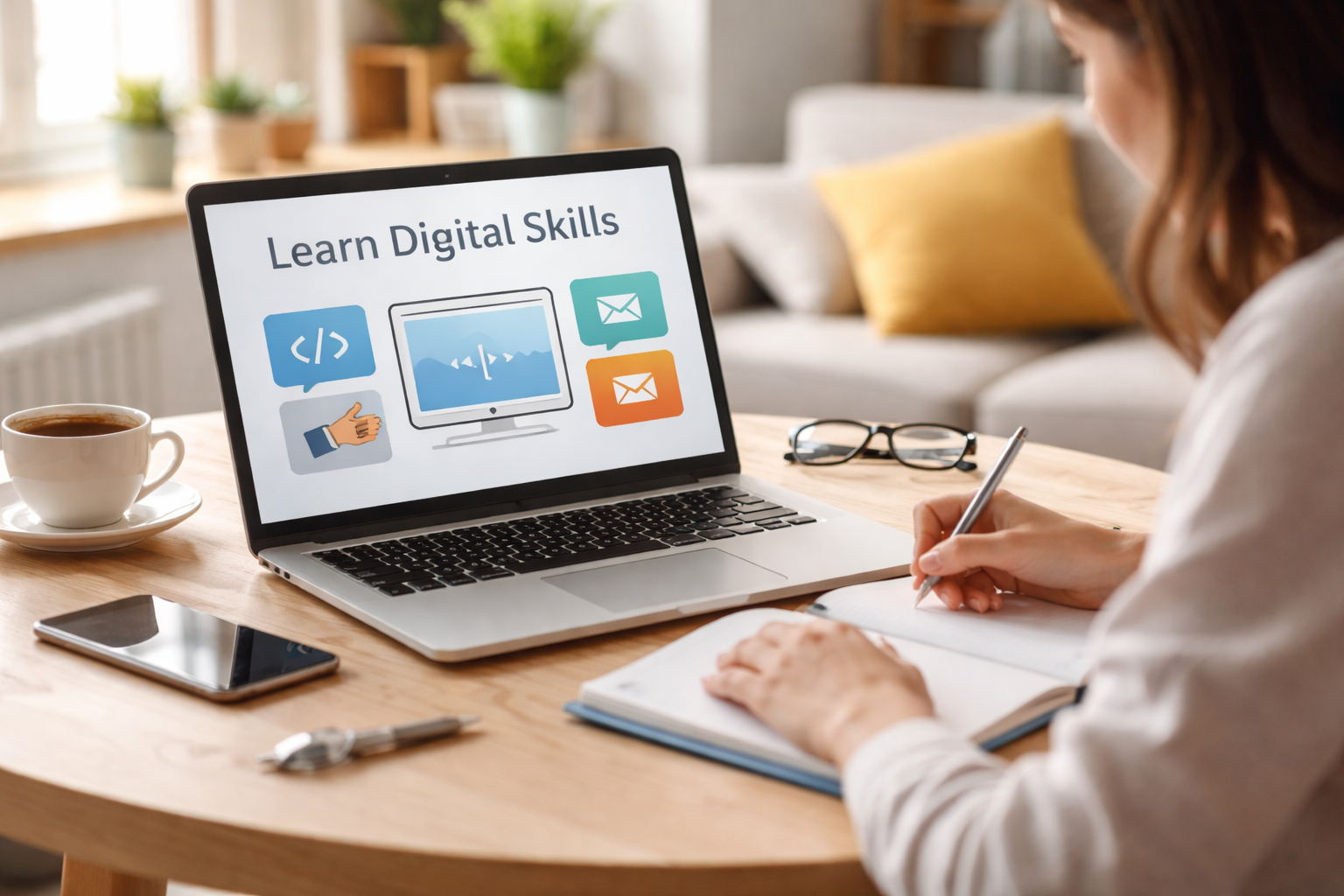
The landscape of education is undergoing a profound transformation, and at the forefront of this revolution lie free online learning tools. No longer are costly textbooks and exclusive university lectures the sole gateways to knowledge. Today, a vast ocean of information and instructional resources is accessible with just a few clicks, offering unprecedented opportunities for anyone, anywhere, to acquire new skills, deepen their understanding, and ultimately, empower their educational journey. This comprehensive guide will navigate you through the world of free online learning, equipping you with the knowledge and strategies to harness its full potential.
The digital age has democratized access to information in ways previously unimaginable. Free online learning tools represent a major step toward this democratization, breaking down traditional barriers of cost, geography, and time. These platforms and resources leverage the power of the internet to deliver educational content in diverse formats, catering to every learning style and preference. Whether you’re a student looking to supplement your formal education, a professional seeking to upskill, or an individual with a thirst for knowledge, these tools offer a flexible and affordable pathway to personal and intellectual growth. The underlying principle is simple: knowledge should be abundant and accessible, not a privilege reserved for a few. This shift signifies a move toward a more inclusive and dynamic educational ecosystem, where lifelong learning is not just encouraged but actively facilitated.
What Constitutes a Free Online Learning Tool?
The term “free online learning tool” is broad and encompasses a wide array of resources. At its core, it refers to any digital platform or resource that provides educational content or learning opportunities without a direct financial cost to the user. This can range from full-fledged online courses offered by universities and educational institutions to specialized apps that teach specific skills, interactive simulations, extensive digital libraries, and even curated collections of informative videos. The “free” aspect can manifest in several ways: entirely free access, freemium models where basic content is free while advanced features require payment, or open educational resources (OER) that are licensed for free use and adaptation. The key differentiator is the absence of a mandatory subscription fee or purchase price for the core educational offering.
The Evolving Nature of Learning Delivery
The delivery mechanisms of free online learning tools are incredibly diverse and constantly evolving. Gone are the days of static PDF documents as the primary source of online learning. Today, learners can engage with dynamic video lectures, participate in interactive quizzes and assignments, collaborate with peers through online forums, receive personalized feedback, and even experience virtual reality simulations. The integration of gamification elements, adaptive learning pathways that adjust to individual progress, and the use of artificial intelligence to provide intelligent tutoring are becoming increasingly prevalent. This constant innovation ensures that learning remains engaging, effective, and tailored to the needs of the 21st-century learner.
The sheer volume of free online learning platforms can be overwhelming, but understanding the strengths of each can help you make informed choices. Universities, educational organizations, and independent creators meticulously curate these platforms, providing a wealth of knowledge across countless disciplines. Exploring these hubs of learning is the first step toward unlocking their transformative power.
MOOCs: The Giants of Online Education
Massive Open Online Courses, or MOOCs, have revolutionized higher education accessibility. Platforms like Coursera, edX, and Udacity offer courses from renowned universities and institutions worldwide. While many courses offer free audits that grant access to lectures, readings, and assignments, others charge a fee for certificates of completion. However, the core learning experience remains largely without cost, allowing individuals to delve into subjects ranging from computer science and business to humanities and arts, all at their pace.
Coursera: A World of Knowledge at Your Fingertips
Coursera partners with top universities and companies to deliver a vast catalog of courses. You can find everything from introductory programming classes taught by Silicon Valley experts to in-depth explorations of classical literature from prestigious Ivy League institutions. The platform’s user-friendly interface and structured course design make it easy to follow along, even for beginners.
edX: Bridging the Gap Between Academia and the Public
Founded by Harvard and MIT, edX provides a robust selection of courses from leading global universities. It emphasizes rigorous academic content and offers pathways to professional certificates and even online degrees. The platform’s commitment to open access means that a substantial portion of its content is available to anyone interested in learning.
Udacity: Empowering Future-Ready Skills
Udacity focuses on preparing learners for the in-demand jobs of the future, particularly in tech fields. They build their “Nanodegree” programs, often paid, upon a foundation of free introductory courses and independent learning materials. They offer excellent resources for aspiring software engineers, data scientists, and digital marketers.
Beyond the MOOCs: Specialized Learning Hubs
While MOOCs offer broad academic coverage, a multitude of specialized platforms cater to specific interests and skill development. These platforms often provide more focused and practical learning experiences.
Khan Academy: A Foundation for All Ages
Khan Academy is a nonprofit organization dedicated to providing free, world-class education for anyone, anywhere. Its comprehensive library of video lessons, interactive exercises, and personalized learning dashboards covers subjects from kindergarten math to advanced calculus, as well as science, humanities, and test preparation. It’s an invaluable resource for students of all ages and learners seeking to solidify their foundational knowledge.
YouTube: The Unofficial University of the Internet
While not exclusively an educational platform, YouTube is an unparalleled repository of free educational content. YouTube dedicates millions of channels to teaching everything from DIY tutorials and language lessons to complex scientific explanations and historical documentaries. The key to effectively using YouTube for learning lies in finding reputable channels and curating your learning playlist.
Both Skillshare and Udemy offer a vast array of courses, and while they primarily operate on a subscription or per-course purchase model, they frequently feature free introductory courses, workshops, or promotional offers. These platforms are excellent for acquiring practical skills in areas like graphic design, photography, writing, entrepreneurship, and various crafts. Monitoring their free offerings can serve as a strategic approach to learning new techniques without any financial commitment.
Simply having access to free online learning tools is only half the battle; the true power lies in strategically integrating them into your educational journey. This requires a proactive and disciplined approach, treating these resources with the same seriousness as any formal educational pursuit.
Setting Clear Learning Objectives
Before diving into the vast digital ocean, define what you want to achieve. Are you looking to grasp a fundamental concept in a particular subject? Do you want to learn new software or a practical skill? Having clear objectives will help you filter through the plethora of options and direct your learning efforts toward meaningful outcomes. Without goals, it’s easy to get lost in endless scrolling and superficial engagement.
Curating Your Learning Path
Treat your online learning like building a personalized curriculum. Combine resources from different platforms and formats to create a holistic learning experience. For instance, you might watch lecture videos on a MOOC, supplement them with explanatory articles, practice problem-solving with Khan Academy exercises, and then watch a detailed tutorial on YouTube to see a practical application of the concept. This multi-modal approach caters to different learning styles and reinforces understanding.
Active Engagement and Practice
Active engagement is usually necessary for true learning. Actively engage with the material. Take notes, pause videos to research unfamiliar terms, and most importantly, practice what you learn. Many free platforms offer quizzes and assignments that provide immediate feedback. If not, seek practice problems or try to apply your new knowledge in a real-world context. Consistent practice is crucial for skill development and knowledge retention.
Seeking Community and Collaboration
Learning doesn’t have to be a solitary endeavor. Many free online learning platforms foster communities through discussion forums and online groups. Participate in these discussions, ask questions, and engage with other learners. Sharing your insights and learning from others can deepen your understanding and provide valuable perspectives. Collaborative projects, even informal ones, can also be incredibly beneficial.
The Role of Self-Discipline and Time Management
The flexibility of free online learning presents both advantages and disadvantages. It offers freedom, but it also demands self-discipline. Set aside dedicated time for learning, create a schedule, and stick to it as much as possible. Minimize distractions and treat your learning sessions with the same respect you would a classroom lecture. Effective time management is paramount to making consistent progress.
The advantages of embracing free online learning tools are numerous and extend far beyond mere cost savings. They offer a dynamic and empowering pathway to personal and professional growth, shaping a more knowledgeable and skilled populace.
Unparalleled Accessibility and Inclusivity
Perhaps the most significant benefit is the sheer accessibility. Free online learning removes financial barriers, making education available to individuals regardless of their economic background. It transcends geographical limitations, allowing anyone with an internet connection to access world-class educational content. This inclusivity fosters a more equitable distribution of knowledge and opportunity.
Flexibility and Convenience
Learn at your pace, on your own schedule, and from any location. This flexibility significantly benefits individuals who are balancing work, family commitments, or other responsibilities. Whether you prefer to learn early in the morning, late at night, or during your commute, free online tools adapt to your lifestyle, making lifelong learning a truly achievable aspiration.
Wide Range of Subjects and Skills
Free online learning resources cover an astounding breadth of topics. From academic disciplines to vocational skills, artistic pursuits to personal development, you can learn about virtually everything. This allows for exploration of diverse interests and the acquisition of a broad skill set, leading to greater adaptability and personal enrichment.
Continuous Skill Development and Upskilling
In a rapidly evolving job market, continuous learning is no longer a luxury but a necessity. Free online tools provide an accessible and affordable way to stay current in your field, acquire new skills to enhance your career prospects, or even pivot to a new profession entirely. This proactive approach to skill development is essential for professional longevity and success.
Deeper Understanding and Reinforcement
For students engaged in formal education, free online learning tools can serve as invaluable supplements. They offer alternative explanations, different teaching styles, and additional practice opportunities that can solidify understanding of complex concepts and reinforce classroom learning. This multifaceted approach can lead to a more profound and lasting grasp of subjects.
With an abundance of options, knowing where to look and how to evaluate resources is crucial for an effective learning experience. A discerning approach will help you cut through the noise and identify truly valuable learning opportunities.
Start with Reputable Institutions and Organizations
Prioritize platforms and courses offered by well-known universities, established educational organizations, and respected professional bodies. These sources generally adhere to higher standards of academic rigor and content quality. Look for university logos or recognized institutions in course descriptions.
Read Reviews and Testimonials
Before committing time to a course or resource, seek reviews from other learners. Online platforms often have user rating systems, and dedicated forums or communities might discuss the quality of specific courses. While individual experiences can vary, a general consensus can be a positive indicator.
Examine the Course Syllabus and Learning Objectives
A well-structured course will clearly outline its syllabus, learning objectives, and the knowledge or skills you expect to gain upon completion. This detailed information helps you determine if the content aligns with your learning goals. A vague or incomplete syllabus is often a red flag.
Look for Interactive Elements and Practice Opportunities
The most effective learning happens when you’re actively involved. Seek resources that include quizzes, assignments, hands-on projects, or opportunities to apply what you’re learning. Static content can be less engaging and less effective for knowledge retention.
Consider the Instructor’s Credentials and Experience
While not always a deciding factor, understanding the instructor’s background can be helpful. Are they experts in their field? Do they have experience teaching online? This information can be found in course descriptions or instructor bios.
The beauty of free online learning lies in its adaptability. Regardless of your area of interest, there are likely a plethora of resources available to support your learning journey.
For the Aspiring Technologist: Coding and Computer Science
The demand for tech skills is soaring, and thankfully, resources abound. Platforms like freeCodeCamp offer comprehensive, project-based learning in web development, data science, and more. Codecademy provides interactive coding lessons in numerous languages. Many universities also offer free introductory computer science courses on MOOC platforms. Exploring tutorials on YouTube for specific programming challenges or software usage is also an excellent strategy.
For the Creatively Inclined: Art, Design, and Music
The digital realm has democratized creative learning. Skillshare and Udemy, as mentioned, offer numerous free introductory or trial classes in graphic design, illustration, photography, and music production. YouTube provides a wealth of art tutorials, ranging from drawing and painting to using digital art software. Even platforms like Pinterest can offer inspiration and links to free art resources and challenges.
For the Business and Entrepreneurship Mindset: Marketing, Finance, and Management
Aspiring entrepreneurs and business professionals can find a wealth of knowledge. Coursera and edX host courses from top business schools covering marketing, finance, economics, and management. Platforms like Google Digital Garage offer free courses on digital marketing skills, essential for any modern business. YouTube channels dedicated to entrepreneurship, personal finance, and business strategy provide valuable insights and practical advice.
For Lifelong Learners and Academics: Humanities, Sciences, and Languages
The platform also offers a strong representation of traditional academic subjects. Khan Academy is, of course, a go-to for foundational knowledge in math, science, and humanities. MOOC platforms are ideal for searching for more advanced topics in history, literature, physics, biology, and more. For language learning, Duolingo offers a gamified approach to basic vocabulary and grammar, while YouTube channels provide deeper dives into grammar, pronunciation, and cultural context.
Ultimately, free online learning tools are more than just convenient resources; they are catalysts for profound personal and academic empowerment. They shift the paradigm of education from a hierarchical system to one of accessible knowledge for all, fostering a culture of continuous learning and self-improvement. By equipping yourself with these tools and the strategies to use them effectively, you are not just acquiring information; you are cultivating a mindset of inquiry, resilience, and lifelong learning that will serve you in countless ways throughout your life. The ability to proactively seek and synthesize knowledge is a superpower in the modern world, and free online learning tools are your essential toolkit for unlocking that power. They empower you to take control of your educational destiny, to explore your passions, to overcome challenges, and to continuously evolve in an ever-changing world.